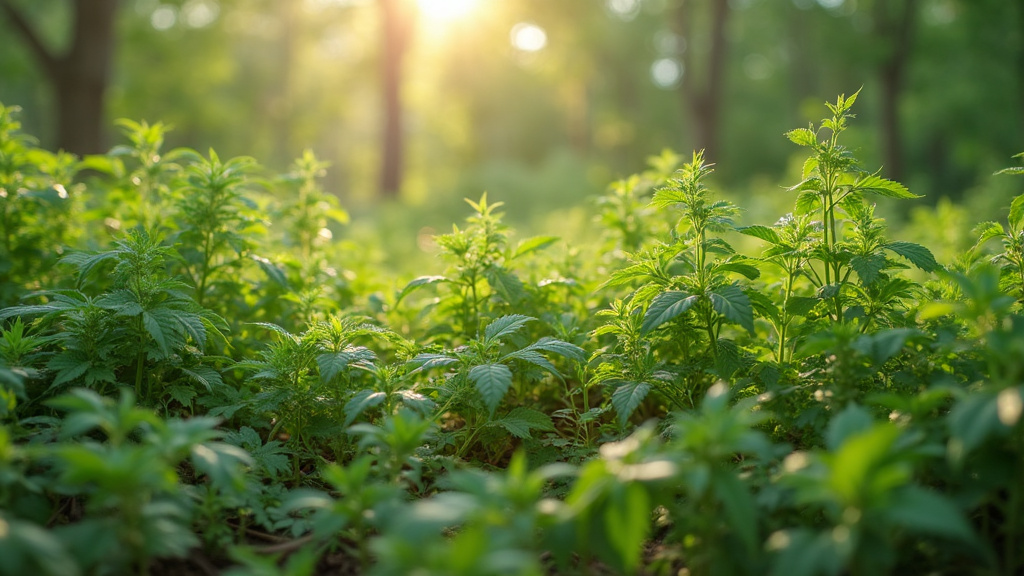
A Bachelor of Science in Medicinal Plants equips students with knowledge of plant biology, chemistry, and traditional medicine. It explores the scientific basis of plant-based therapies, cultivation, and extraction techniques. This program trains individuals to research, develop, and regulate medicinal plants for modern healthcare, combining ancient wisdom with contemporary science.
Key Takeaways
- A Bachelor of Science in Medicinal Plants equips students with the knowledge to identify, cultivate, and process medicinal plants for pharmaceutical and healthcare applications.
- Understanding the chemical composition and pharmacological properties of plants is crucial for developing effective traditional and modern medicine.
- Fieldwork and hands-on training in cultivation, harvesting, and extraction methods provide valuable practical experience in the field of medicinal botany.
- Global demand for natural, plant-based remedies is driving innovation and growth in the medicinal plant industry, creating new career opportunities.
- Regulatory compliance and quality control are essential aspects of medicinal plant production, ensuring the safety and efficacy of final products.
- Collaboration with indigenous communities and traditional healers can preserve knowledge and ensure sustainable sourcing of rare medicinal plants.
- The intersection of modern science and traditional wisdom offers exciting prospects for discovering new drugs and treatments from medicinal plants.
The global demand for natural remedies and herbal products is booming, yet there’s a critical shortage of skilled professionals to cultivate and study medicinal plants. This is where the Bachelor Of Science Medicinal Plant comes into focus. This program offers a unique blend of scientific rigor and traditional knowledge, equipping students to understand the complex chemistry and ethnobotany behind these plants. By examining core courses like Plant Chemistry and Ethnobotany, and engaging in hands-on field work and research projects, graduates are prepared for careers as diverse as pharmacist, herbalist, and research scientist. This article explores the comprehensive curriculum, career prospects, and the vital role this degree plays in advancing the field of herbal medicine.
- Understanding the Bachelor's Degree in Medicinal Plants
- Curriculum and Skills: A Deep Examine the Program
- Career Paths and Impact of This Specialized Education
Understanding the Bachelor's Degree in Medicinal Plants
Understanding the Bachelor’s Degree in Medicinal Plants
The Bachelor Of Science Medicinal Plant is a specialized program designed to equip students with the knowledge and practical skills needed to excel in the field of herbal medicine and plant chemistry. At its core, this degree program offers a comprehensive exploration of medicinal plants, their composition, and their therapeutic applications. Students examine essential subjects such as ethnobotany, where they learn about the traditional uses of plants across various cultures, and advanced plant chemistry, which provides a deeper understanding of the chemical compounds responsible for the medicinal properties of plants.
The curriculum for the Bachelor Of Science Medicinal Plant is meticulously crafted to balance theoretical learning with hands-on experience. Core courses cover fundamental topics like botany, pharmacognosy, and pharmacology, while electives allow students to specialize in areas of interest, such as clinical herbalism or sustainable plant cultivation. A significant component of the program involves field work, where students immerse themselves in diverse natural environments to identify and study medicinal plants in their native habitats. This practical experience is enhanced through research projects, where students contribute to ongoing studies on the efficacy and safety of medicinal plants.
To qualify for a Bachelor Of Science Medicinal Plant degree, applicants typically need a strong academic foundation in science and mathematics. While specific entry requirements may vary by institution, a high school diploma or equivalent, along with a demonstrated commitment to the natural sciences, is generally expected. The application process often involves an interview and may include additional assessments to gauge a candidate’s understanding of the field and their potential to contribute to the diverse learning environment. The program’s curriculum involves a structured sequence of courses, culminating in an integrated project that synthesizes the knowledge and skills acquired throughout the degree.
Curriculum and Skills: A Deep Examine the Program
The Bachelor Of Science Medicinal Plant program examines deeply into the study of herbs and their applications in medicine. At its core, the curriculum revolves around three main pillars: Herbal Medicine, Plant Chemistry, and Ethnobotany. This well-rounded approach ensures graduates possess a robust understanding of the scientific basis for herbal treatments, the chemical composition of plants, and the cultural contexts in which medicinal plants have been used for centuries.
Students are exposed to a mix of core courses that provide foundational knowledge and electives that allow for specialization in areas of interest. Field work is a critical component, offering hands-on experience in identifying, harvesting, and preparing medicinal plants. Research projects are another key aspect, encouraging students to apply their knowledge to solve real-world problems. These projects often involve collaborating with industry partners, preparing students for careers where they can directly impact health and wellness.
Choosing the right Bachelor Of Science Medicinal Plant provider is a crucial decision. When evaluating options, consider faculty expertise, program breadth and depth, and available resources. Look for institutions that offer a blend of theoretical knowledge and practical skills, ensuring you’re prepared for the diverse demands of the field. Remember, the Bachelor Of Science Medicinal Plant is an investment in your future; it’s worth choosing a program that aligns with your career goals and offers ample opportunities for growth and development.
The process of becoming a medicinal plant expert involves more than just coursework. It requires a commitment to practical application and continuing education. Many graduates pursue careers as pharmacists or herbalists, working in settings that range from clinics to private practices. Others may opt for research roles, contributing to the scientific understanding of herbal medicine. The Bachelor Of Science Medicinal Plant process is as much about cultivating a passion for plants as it is about acquiring the skills to translate that passion into a rewarding career.
Career Paths and Impact of This Specialized Education
A Bachelor Of Science Medicinal Plant opens doors to a diverse range of rewarding career paths, leveraging the deep knowledge and hands-on skills acquired during the program. This specialized education equips graduates to contribute significantly to the field of herbal medicine, plant chemistry, and ethnobotany.
The path to qualifying for this degree involves a rigorous curriculum that includes core courses in botany, pharmacology, and chemistry, alongside electives in specialized areas such as clinical herbalism and sustainable plant cultivation. Students also engage in field work, immersing themselves in the natural world and learning directly from it. This holistic approach, which includes both theoretical knowledge and practical experience, is what sets the Bachelor Of Science Medicinal Plant apart.
Upon completion, graduates are equipped to pursue a variety of roles. They might become pharmacists specializing in herbal remedies, contributing to the development and dispensing of natural medicine. Alternatively, they could become herbalists, providing guidance on the use and cultivation of medicinal plants. Research scientist roles are also in reach, where graduates can contribute to advanced research in plant chemistry and ethnobotany. Their skills are valuable in healthcare settings, where they can offer alternative treatment options and support patients seeking holistic care.
A graduate with a Bachelor Of Science Medicinal Plant degree might lead a research project investigating the antimicrobial properties of traditional medicinal plants, collaborating with indigenous communities to document and preserve their ethnobotanical knowledge. This not only advances scientific understanding but also promotes cultural preservation and the responsible use of natural resources. The versatility of this degree allows individuals to make meaningful contributions to both modern medicine and traditional practices.
Frequently Asked Questions About Bachelor Of Science Medicinal Plant
What is a Bachelor Of Science Medicinal Plant?
A Bachelor’s degree in Medicinal Plants is an undergraduate academic program that focuses on the study of plants used for medicinal purposes. It explores the scientific principles behind traditional medicine, plant chemistry, pharmacology, and sustainable cultivation practices. This degree equips students with knowledge to identify, cultivate, and utilize medicinal plants effectively.
What are the key subjects covered in this program?
The curriculum includes botany, pharmacognosy (the study of drug plants), phytochemistry (the study of plant chemicals), traditional and modern pharmacology, plant cultivation and conservation, and herbal preparation methods. Students learn about various medicinal plant families, their therapeutic uses, and the scientific basis for their efficacy.
What are the career opportunities for graduates?
Graduates can pursue careers as medicinal plant specialists, herbarians, pharmacologists, research assistants, or in the pharmaceutical industry. They may work in botanical gardens, pharmacies, research institutions, or the healthcare sector, contributing to the development and preservation of natural medicine.
Is there a hands-on component to the learning experience?
Absolutely. Field trips to medicinal plant farms, herbariums, and traditional healing centers are common. Students often participate in community outreach programs, where they educate the public about herbal remedies and sustainable practices. Practical labs focus on plant identification, extraction techniques, and quality control testing.
What are the admission requirements?
Admission typically requires a high school diploma or equivalent, with a focus on science and mathematics. Some institutions may require SAT or ACT scores, letters of recommendation, and a personal statement demonstrating interest in medicinal plants and their applications.
Can students study traditional healing practices from different cultures?
Yes, the program often includes a global perspective, covering traditional healing systems from diverse cultures. Students learn about the historical and cultural significance of medicinal plants in various societies, promoting cultural understanding and the preservation of indigenous knowledge.
What are the job prospects for graduates?
The demand for natural and alternative medicine is growing, leading to strong job prospects. Graduates can expect to work in a range of settings, contributing to the development of new herbal remedies, ensuring plant conservation, and educating communities on holistic health practices.
The Bachelor Of Science Medicinal Plant offers a unique and comprehensive educational path for those interested in the intricate world of herbal medicine and plant chemistry. By combining core courses in botany, pharmacology, and ethnobotany with elective options and hands-on field work, this program equips students with a diverse skill set. Graduates are prepared for various careers, including pharmacist, herbalist, and research scientist, contributing to the advancement of natural healthcare solutions. This specialized education not only deepens understanding of medicinal plants but also fosters innovation and cultural appreciation, ensuring a bright future in the growing field of alternative medicine. To capitalize on these insights, consider exploring university X’s program offerings and connecting with alumni to gain practical insights into the impact of this degree.