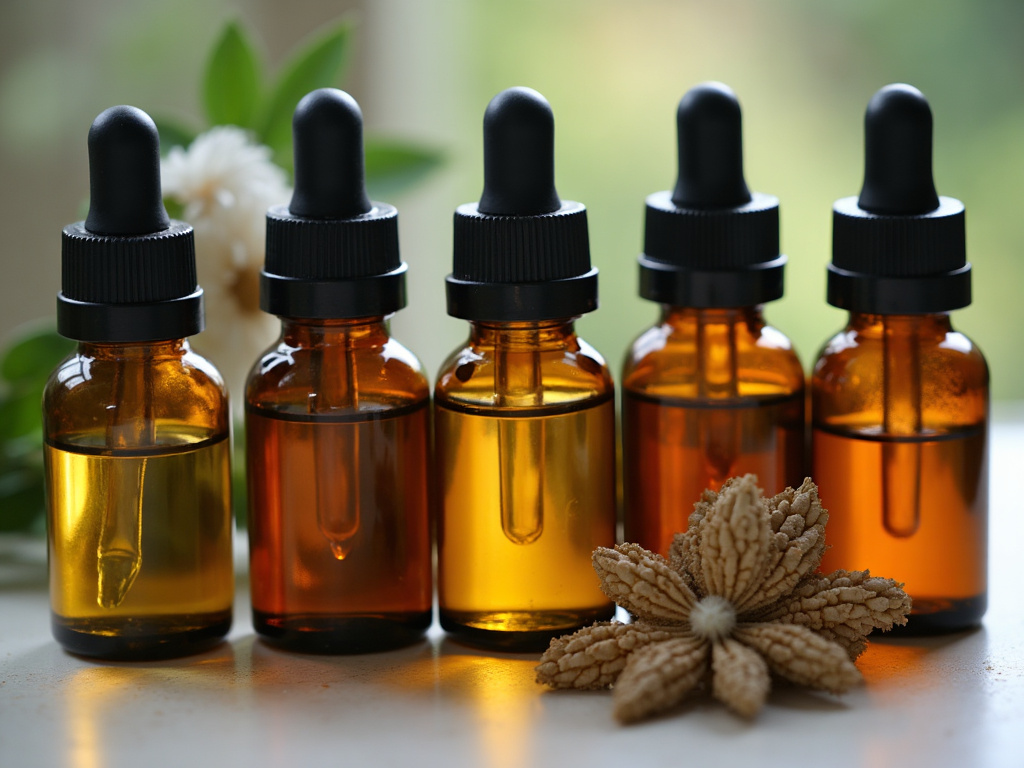
A Bachelor of Science in Medicinal Plants is a specialized degree that focuses on the study of plants used for medicinal purposes. This program teaches students about the science behind herbal remedies, including plant identification, chemical composition, and traditional uses. It combines botany, chemistry, and pharmacology to prepare graduates for careers in herbal medicine research, cultivation, and development.
Key Takeaways
- A Bachelor of Science in Medicinal Plants equips graduates with the knowledge to identify, cultivate, and process medicinal plants safely and effectively.
- Understanding pharmacognosy, the study of medicinal plants, is crucial for developing modern pharmaceuticals and traditional remedies.
- The program often includes fieldwork, allowing students to learn plant identification in diverse ecosystems and climates.
- Graduates can pursue careers in research, pharmaceuticals, traditional medicine, academia, or starting their own herbal businesses.
- Medicinal plant knowledge is valuable for biodiversity conservation, as it promotes sustainable harvesting and understanding of plant ecosystems.
- The growing demand for natural, plant-based remedies offers promising job prospects for those skilled in medicinal plant science.
- Certification in medicinal plant practices can enhance a professional’s credibility and open doors to specialized work in herbal medicine.
In the modern quest for holistic health, the Bachelor of Science in Medicinal Plants offers a specialized path that bridges traditional knowledge and contemporary science. As the world turns towards natural remedies, understanding the complex chemistry and ethnobotany behind plants becomes crucial. However, the demand for trained professionals far outpaces supply. The Bachelor’s program at University X addresses this gap by providing a comprehensive education in herbal medicine, plant chemistry, and ethnobotany. Students engage in hands-on field work and research projects, equipping them for careers as pharmacists, herbalists, and research scientists in a burgeoning field.
- Understanding the Bachelor Of Science Medicinal Plant Curriculum
- Practical Application: Growing and Harvesting Medicinal Plants
- Career Paths and Impact of a Medicinal Plant Degree
Understanding the Bachelor Of Science Medicinal Plant Curriculum
The Bachelor Of Science Medicinal Plant curriculum is a comprehensive, immersive journey into the world of herbal medicine, designed to equip students with the knowledge and skills to excel in this growing field. At its core, the program combines rigorous plant chemistry and ethnobotany with hands-on experience, ensuring graduates are well-prepared to contribute to the modern herbal industry.
At University X, the Bachelor Of Science Medicinal Plant degree offers a structured path through core courses in pharmacology, botany, and chemistry, providing a deep understanding of medicinal plants and their active constituents. Students examine the history and cultural practices of traditional medicine, learning to identify and classify plants, extract their compounds, and assess their efficacy. Elective modules allow for specialization, whether focusing on clinical applications, sustainable practices, or advanced research methods. Field work and research projects are integral to the process, offering students real-world experience and the opportunity to contribute to the growing body of herbal medicine knowledge.
The value of this program extends far beyond the classroom. The demand for herbalists, pharmacists, and research scientists specializing in medicinal plants is on the rise, driven by a growing interest in natural remedies and alternative healthcare. A Bachelor Of Science Medicinal Plant degree opens doors to diverse career paths, from working in research facilities to setting up sustainable herbal practices. The curriculum prepares students to contribute meaningfully to the industry, whether through developing new treatments, ensuring the ethical sourcing of plants, or educating the public on the benefits of herbal medicine.
Investing in this degree is a commitment to learning and growth, with the potential to make a tangible impact on the future of healthcare. The process involves rigorous study, practical application, and a deep connection with the natural world. It’s not just about understanding medicinal plants; it’s about becoming a part of their ancient wisdom and shaping their modern application.
Practical Application: Growing and Harvesting Medicinal Plants
Practical application is a key component of any Bachelor Of Science Medicinal Plant program. Students are introduced to the cultivation and harvest of a wide array of plants used in traditional and modern medicine. This hands-on learning involves understanding the specific needs of various species, from soil preparation to optimal growing conditions and timing of harvest. Some plants require sunny, well-drained soil, while others thrive in partial shade or damp conditions. Knowing these nuances is crucial for cultivating medicinal plants effectively.
Choosing the right Bachelor Of Science Medicinal Plant provider is a significant decision. Students must consider factors such as faculty expertise, program curriculum, available resources, and opportunities for hands-on experience. A strong program should offer a mix of core courses in plant chemistry and ethnobotany, along with elective options allowing students to specialize in areas of interest. Research projects and field work are also essential components that provide real-world experience. When evaluating programs, prospective students should assess whether the curriculum aligns with their career goals and whether the provider’s location offers opportunities for practical application.
The path to a Bachelor Of Science Medicinal Plant degree requires dedication and a strong foundation in both theoretical knowledge and practical skills. Students must meet the academic prerequisites set by the institution, which often include a high school diploma or equivalent, along with specific courses in biology, chemistry, and mathematics. While there may not be a specific "qualifications" list, maintaining a strong academic record and demonstrating a genuine interest in herbal medicine can significantly enhance a student’s chances of acceptance. The degree is worth it for those passionate about the field, offering a blend of traditional wisdom and modern scientific understanding of medicinal plants.
Career Paths and Impact of a Medicinal Plant Degree
A Bachelor Of Science Medicinal Plant degree opens doors to a diverse and impactful career spectrum, offering a unique blend of scientific knowledge and traditional herbal practices. Graduates are equipped to pursue roles as pharmacists, herbalists, and research scientists, contributing to the advancement of natural medicine. This path is particularly rewarding for individuals fascinated by the intricate chemistry and cultural significance of plants, with the potential to make a tangible difference in healthcare.
When considering an institution for this specialized degree, it’s crucial to evaluate its curriculum and faculty expertise. Look for programs that offer a balanced mix of core courses in plant chemistry and ethnobotany, along with elective options catering to individual interests. Hands-on experience through field work and research projects is invaluable, providing an opportunity to apply theoretical knowledge in real-world settings. Students might collaborate with local communities to document and study traditional plant remedies, fostering a deeper understanding of ethnopharmacology.
The question of whether a Bachelor Of Science Medicinal Plant is worth the investment is subjective but can be assessed based on the growing demand for natural healthcare solutions. This field is experiencing a surge in popularity, driven by consumers seeking alternative and complementary medicine. Graduates with this degree are well-positioned to capitalize on this trend, offering their expertise in various sectors, from pharmaceutical research to private practice. The process involves rigorous academic study, practical training, and a commitment to staying abreast of evolving industry standards, ensuring that the degree remains a powerful passport to meaningful career opportunities.
Frequently Asked Questions About Bachelor Of Science Medicinal Plant
What is a Bachelor Of Science Medicinal Plant?
A Bachelor of Science (BS) in Medicinal Plant is an undergraduate academic program that focuses on the scientific study of plants used for medicinal purposes. It combines botany, pharmacology, chemistry, and related sciences to understand the chemical composition, therapeutic properties, and safe use of medicinal plants. This degree equips students with knowledge to research, identify, and develop new medicinal substances from plants.
What are the core subjects in this program?
Core subjects typically include botany, pharmacology, chemistry, anatomy and physiology, pharmacognosy (the study of drug-bearing plants), and analytical techniques. Students also engage in practical training, such as herbarium management, plant cultivation, and laboratory work to analyze plant extracts.
Are there any hands-on components to the program?
Absolutely. Field work, where students collect and identify plants in their natural habitats, is crucial. They also participate in laboratory research, where they learn to extract and analyze bioactive compounds from plants. Some programs include internships at pharmaceutical companies or research institutions to gain practical experience.
What career paths are available with a BS in Medicinal Plant?
Graduates can pursue careers as medicinal plant researchers, pharmacologists, pharmaceutical scientists, quality control specialists in the herbal industry, or as educators in academic institutions or herbaria. They may also work in the pharmaceutical industry developing new drug formulations from plants, or in regulatory bodies ensuring the safety and efficacy of herbal products.
Is there a growing demand for professionals in this field?
Yes, there is a growing demand for skilled professionals in the medicinal plant industry. The global market for herbal remedies and natural products is expanding rapidly, driven by consumer interest in alternative medicine and a desire for more natural health solutions. This growth creates opportunities for qualified graduates.
What are some key skills developed through this program?
The program develops a range of valuable skills, including scientific research methods, analytical thinking, data analysis, problem-solving, written and oral communication, and critical thinking. These skills are transferable to various scientific and research-related fields.
How long does the program typically take to complete?
The program usually takes 3-4 years to complete, depending on the university and the specific curriculum.
Completing a Bachelor Of Science Medicinal Plant program equips graduates with a unique blend of knowledge and skills. Understanding the curriculum, including core courses in plant chemistry and ethnobotany, along with practical application in growing and harvesting, ensures students are prepared to contribute to the herbal medicine field. The degree opens doors to diverse career paths, from pharmacist to research scientist, and impacts healthcare by providing evidence-based treatments and preserving traditional knowledge. With a robust foundation in medicinal plants, graduates are ready to meet the growing demand for natural healthcare solutions.