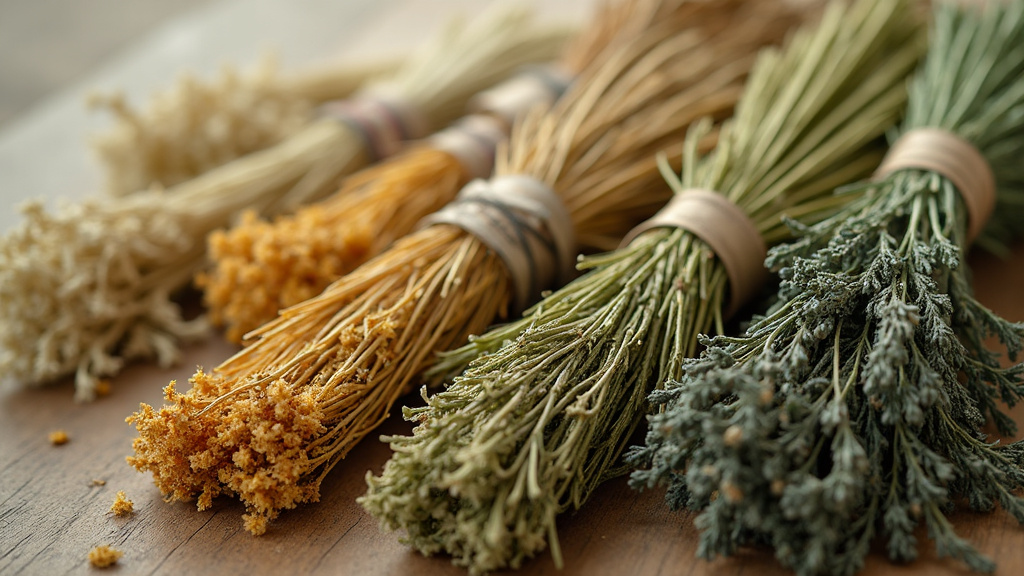
A Bachelor of Science in Medicinal Plants is a specialized degree focused on the study of plants used for medicinal purposes. It involves learning the scientific principles behind the cultivation, extraction, and application of medicinal compounds found in plants, with a view to developing new treatments and ensuring their safety and efficacy.
Key Takeaways
- A Bachelor of Science in Medicinal Plants equips students with the knowledge to cultivate, extract, and safely administer medicinal compounds derived from plants.
- This degree is ideal for aspiring herbalists, pharmaceutical researchers, and individuals seeking a career in natural medicine or cannabis science.
- Understanding plant biology, chemistry, and pharmacology, graduates can contribute to the development of innovative treatments and sustainable cultivation practices.
- The online format allows for flexible learning, accommodating students with diverse backgrounds and schedules who want to enter the growing medicinal plant industry.
- The program may include courses on plant identification, extraction methods, pharmacokinetics, and regulatory compliance, providing a well-rounded understanding of medicinal plants.
- Graduates can pursue careers in research, production, quality control, or consulting within the medicinal plant industry.
- With a growing demand for natural and alternative medicine, a degree in medicinal plants can lead to rewarding and in-demand job opportunities.
The global interest in natural medicine and herbal remedies has surged, underscoring the urgent need for qualified professionals in the field. This trend highlights a pressing issue: there’s a gap in training for those interested in the intricate world of medicinal plants. The solution? A Bachelor Of Science Medicinal Plant degree. This program offers a comprehensive approach to understanding the chemistry, ethnobotany, and pharmacology of plants used in traditional and modern medicine. By combining core courses in plant chemistry and ethnobotany with hands-on field work and research projects, graduates are equipped to contribute to the growing field of herbal medicine, pursue careers as pharmacists, herbalists, or research scientists, and become the experts our world needs.
- Understanding the Bachelor Of Science Medicinal Plant Curriculum
- Field to Pharmacy: Hands-On Experience in Medicinal Plant Studies
- Integrating Traditional Knowledge with Modern Science in Medicinal Plants
Understanding the Bachelor Of Science Medicinal Plant Curriculum
Understanding the Bachelor Of Science Medicinal Plant curriculum is crucial for anyone considering this specialized path. Programs like University X’s offering examine deeply into the study of herbal medicine, plant chemistry, and ethnobotany. The core courses provide a solid foundation in botany, pharmacognosy, and natural product chemistry, detailing the scientific basis for the use of plants in medicine. Elective options allow students to specialize in areas of interest, such as clinical herbology, sustainable botanical practices, or the ethnobotany of specific regions.
Beyond classroom learning, field work and research projects are integral components of this degree. Students often spend time collecting and studying plants in their native environments, applying theoretical knowledge to real-world scenarios. This hands-on experience is invaluable, fostering a deep understanding of plant diversity and the challenges of conservation. Research projects encourage students to contribute new insights to the field, whether investigating the pharmacological properties of a lesser-known plant or exploring traditional healing practices from different cultures.
Choosing a Bachelor Of Science Medicinal Plant provider requires careful consideration. Look for institutions with experienced faculty, strong industry connections, and a track record of successful student outcomes. University X, for instance, boasts faculty members who are leading researchers in their field, ensuring students are exposed to advanced knowledge and methodologies. The reputation of the program and its alumni network can also provide valuable insights into career opportunities. Is Bachelor Of Science Medicinal Plant worth the investment? The demand for trained herbalists, pharmacists, and research scientists in the healthcare industry is growing, with many graduates finding success in both traditional and modern medicine. The diverse career paths available, combined with the program’s comprehensive curriculum, make this degree a worthwhile choice for those passionate about the healing power of plants.
Field to Pharmacy: Hands-On Experience in Medicinal Plant Studies
The practical application of knowledge is a cornerstone of any Bachelor of Science Medicinal Plant program. Students are not merely confined to textbooks; they embark on a journey into the field, immersing themselves in the rich mix of herbal medicine. This hands-on experience is a defining aspect that sets apart this degree from purely theoretical pursuits.
Students engage in field work, venturing into diverse ecosystems to observe and study medicinal plants in their natural habitats. They learn to identify rare species, understand their ecological roles, and document their therapeutic properties. A field trip might involve exploring mountainous regions to collect samples of alpine herbs known for their anti-inflammatory properties, while also documenting local ethnobotanical practices. This not only deepens their understanding of plant chemistry but also fosters an appreciation for the intricate relationship between plants, people, and the environment.
Choosing the right Bachelor of Science Medicinal Plant provider is crucial. Students should look for institutions offering a blend of rigorous scientific study and immersive field experiences. University X, for example, boasts a robust curriculum that balances core courses in plant chemistry and ethnobotany with extensive field work. Electives in areas like pharmacognosy and clinical herbalism allow students to tailor their education to their interests. The opportunity to participate in research projects alongside renowned scientists prepares graduates for careers in academia, industry, or healthcare.
The question of whether a Bachelor of Science Medicinal Plant is worth it depends on individual aspirations. For those pursuing careers as pharmacists, herbalists, or research scientists, this degree offers a solid foundation. The growing demand for natural healthcare solutions drives job opportunities across various sectors. Students qualifying with this degree can expect to be well-prepared for internships and entry-level positions, equipped with both the scientific knowledge and practical skills to contribute meaningfully to the field.
Integrating Traditional Knowledge with Modern Science in Medicinal Plants
Integrating traditional knowledge with modern science is a cornerstone of the Bachelor of Science in Medicinal Plant program. This unique approach leverages the rich history and empirical data surrounding herbal medicine, plant chemistry, and ethnobotany. By studying under experts at institutions like University X, students gain a deep understanding of both ancient practices and contemporary research methods.
The process involves more than just memorizing facts. It requires engaging in hands-on field work to observe medicinal plants in their natural habitats, selecting relevant electives to tailor your focus, and undertaking research projects that apply scientific rigor to traditional remedies. Students might study the chemical composition of plants used in indigenous communities and then conduct experiments to validate their therapeutic claims. This blend of traditional wisdom and modern science prepares graduates to contribute meaningfully to the field.
Choosing a provider for this specialized degree requires careful consideration. Look for programs that offer a strong curriculum balancing theoretical knowledge with practical application, robust research opportunities, and faculty experienced in both traditional and modern medicinal plant studies. The value of a Bachelor of Science in Medicinal Plant is evident in the diverse career paths it opens: from pharmacist and herbalist to research scientist and healthcare provider. It equips graduates with the skills to bridge the gap between ancient healing practices and modern medicine, ensuring that valuable traditional knowledge is preserved and integrated into evidence-based healthcare solutions.
Frequently Asked Questions About Bachelor Of Science Medicinal Plant
What is a Bachelor of Science in Medicinal Plant?
This degree program focuses on the scientific study of plants used for medicinal purposes. It combines biology, chemistry, and pharmacology to understand the active compounds in plants, their effects on the human body, and their potential therapeutic applications. The course covers cultivation, extraction, and analysis of medicinal plants, as well as the development of new pharmaceutical products.
What are the key components of this program?
The curriculum typically includes courses in botany, pharmacognosy, phytochemistry, pharmacology, and analytical techniques. Students learn about traditional medicinal plants used globally and conduct research to discover new therapeutic agents from plants. Hands-on training in cultivation, harvesting, and processing of medicinal plants is also emphasized.
Is this degree right for someone interested in cannabis science?
Absolutely. The study of medicinal plants, including cannabis, falls squarely within the scope of this degree. Understanding the chemistry and pharmacology of cannabis compounds is crucial for developing safe and effective cannabis-based therapies. This degree provides a solid foundation for careers in cannabis research, cultivation, and product development.
What kind of careers can I pursue with this degree?
Graduates can pursue careers as medicinal plant researchers, pharmacologists, pharmaceutical scientists, cannabis cultivators, quality control specialists, or consultants in the herbal and cannabis industries. This degree opens doors to work in research institutions, pharmaceutical companies, universities, and cannabis cultivation and processing facilities.
How long does the program usually take to complete?
The duration varies, but a Bachelor of Science in Medicinal Plant typically requires 4 years of full-time study. This includes coursework, laboratory work, research projects, and possibly an internship or capstone project. Part-time study or accelerated programs may alter the timeline.
Are there online options for this degree?
Yes, many universities offer this program online, allowing students to study from anywhere. Online degrees provide flexibility, especially for working professionals or those with other commitments. However, hands-on components like laboratory work and fieldwork may require local access or arrangements.
What are the admission requirements?
Admission requirements vary by institution, but generally include a high school diploma or equivalent, satisfactory GRE scores, letters of recommendation, and a personal statement. Some programs may also consider prior work or research experience in the field.
Completing this exploration of the Bachelor of Science in Medicinal Plant, several key insights emerge. This program, offered by institutions like University X, goes beyond textbook learning, integrating core courses in herbal medicine and plant chemistry with hands-on field work and research projects. Students don’t merely study medicinal plants; they engage with them. This blend of traditional ethnobotany and modern science equips graduates for diverse careers, from pharmacist and herbalist to research scientist and healthcare provider. The program’s value lies in its holistic approach, preparing students to contribute to the evolving field of medicinal plant science and its numerous applications. For those considering a career in this dynamic area, pursuing a Bachelor of Science in Medicinal Plant offers a unique and powerful path forward.