
Key Takeaways
- A Bachelor of Science in Medicinal Plants equips students with the knowledge to cultivate, extract, and research therapeutic plants, contributing to the development of natural medicine.
- Understanding plant chemistry and pharmacology, key aspects of this degree, allows graduates to identify and isolate active compounds for medicinal use.
- Fieldwork and laboratory experiments provide hands-on experience, essential for identifying and studying plants in their natural environments and controlled settings.
- This program fosters a deep connection with the natural world, emphasizing sustainable practices for the ethical harvesting of medicinal plants.
- Graduates are prepared for careers in herbalism, pharmaceutical research, and the growing industry of natural health products.
- The degree's focus on evidence-based practices ensures that students learn to apply scientific methods to evaluate the efficacy of medicinal plants.
- The global demand for natural remedies makes graduates well-positioned to contribute to a diverse and expanding healthcare landscape.
A Bachelor of Science in Medicinal Plants focuses on the study and cultivation of plants used for medicinal purposes. This degree equips students with knowledge of plant chemistry, pharmacology, and sustainable farming practices. It explores traditional herbal remedies and modern applications, preparing graduates to contribute to the development and research of natural healthcare solutions.
The global demand for natural remedies and herbal medicine has surged, highlighting the critical need for skilled practitioners in the field. This growth underscores the importance of the Bachelor Of Science Medicinal Plant, a specialized degree that equips students with the knowledge and skills to harness the power of plants for medicinal purposes. However, the current educational landscape often falls short of providing the hands-on experience and in-depth understanding required to thrive in this sector. This article explores how the Bachelor Of Science Medicinal Plant program at University X integrates core courses in herbal medicine, plant chemistry, and ethnobotany with extensive field work and research projects, offering a comprehensive solution to meet the growing demand for experts in this domain.
- Understanding the Bachelor's Degree in Medicinal Plants
- Curriculum and Skills: A Comprehensive Medicinal Plant Program
- Career Paths: Leveraging Your Bachelor Of Science Medicinal Plant Degree
Understanding the Bachelor's Degree in Medicinal Plants

Understanding the Bachelor's Degree in Medicinal Plants
The Bachelor of Science in Medicinal Plants is a specialized program designed to equip students with in-depth knowledge and practical skills in the field of herbal medicine and plant chemistry. At its core, this degree explores the scientific basis of medicinal plants, their chemical composition, and their therapeutic applications. Students at institutions like University X engage in a rigorous curriculum that balances core courses in botany, chemistry, and pharmacology with elective options in ethnobotany and advanced research methods. This well-rounded approach fosters a comprehensive understanding of medicinal plants, from their historical use in various cultures to their modern applications in healthcare.
To qualify for a Bachelor of Science in Medicinal Plants, applicants typically need a strong academic foundation in science, including biology, chemistry, and mathematics. While specific entry requirements vary by institution, a solid high school science background and a commitment to hands-on learning are key. Students interested in this program should also be prepared to engage in fieldwork, which often involves collecting and identifying plants in their natural habitats. This practical experience is crucial for developing the observational skills and botanical expertise necessary for success in the field.
Choosing the right provider for this specialized degree is a critical step. Prospective students should consider the program's curriculum, faculty expertise, research opportunities, and the reputation of the institution. Some universities offer internships or partnerships with local herbalists or research facilities, providing valuable industry connections and hands-on experience. Evaluating the career services offered can be beneficial, as the field of medicinal plants offers diverse career paths, from pharmacist and herbalist to research scientist and healthcare provider.
The question of whether a Bachelor of Science in Medicinal Plants is worth the investment is a personal one. However, the growing interest in natural and alternative medicine suggests a promising job market for graduates. This degree equips individuals with the knowledge and skills to contribute to the research, development, and application of medicinal plants, a field that continues to gain prominence in modern healthcare. With the right provider and a commitment to learning, this degree can open doors to a rewarding career in the science and practice of medicinal plants.
Curriculum and Skills: A Comprehensive Medicinal Plant Program
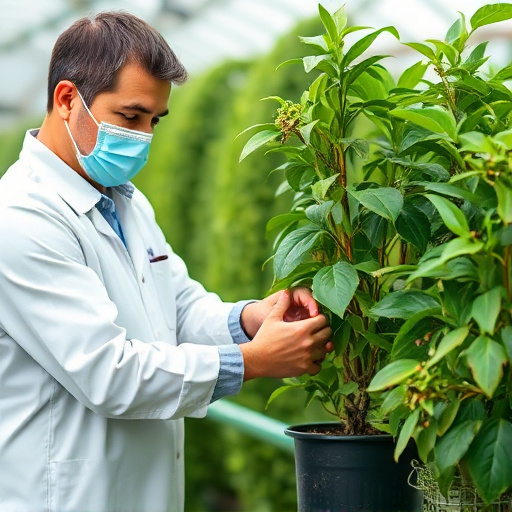
A comprehensive Bachelor Of Science Medicinal Plant program goes beyond basic herbal knowledge. To qualify for this level of study, you'll need a solid grounding in both scientific theory and practical application. The curriculum should cover core subjects like plant chemistry and ethnobotany, alongside electives that allow you to specialize in areas of interest, such as pharmacognosy or clinical herbalism. Field work and research projects are integral to hands-on learning, providing opportunities to identify, harvest, and analyze plants in their natural environments.
Choosing a provider is a crucial step in your medicinal plant education. Look for programs offered by reputable universities, such as University X, known for their rigorous academic standards and experienced faculty. Ensure the program aligns with your career goals, whether you aspire to become a pharmacist, herbalist, or research scientist. The curriculum should be designed to prepare you for the challenges and rewards of the healthcare industry, where medicinal plants are increasingly recognized for their therapeutic value.
The Bachelor Of Science Medicinal Plant process involves a combination of classroom instruction, laboratory work, and practical field experience. You'll learn to identify plant species, extract active constituents, and understand their pharmacological effects. Ethnobotany courses might involve studying traditional plant uses in various cultures, while plant chemistry labs teach you how to analyze the chemical composition of medicinal plants. By the end of the program, you should be proficient in evaluating the safety and efficacy of medicinal plants and integrating them into modern healthcare systems.
Career Paths: Leveraging Your Bachelor Of Science Medicinal Plant Degree
Choosing a Bachelor Of Science Medicinal Plant provider is a crucial step in your educational journey. When selecting a program, consider the institution's reputation, particularly in the field of herbal medicine and plant chemistry. Look for universities with strong connections to ethnobotany research and a history of successful student outcomes. This ensures you receive a comprehensive education that combines theoretical knowledge with practical experience.
A Bachelor Of Science Medicinal Plant program typically includes a mix of core courses in botany, pharmacology, and chemistry, alongside electives allowing you to specialize in areas like traditional herbal practices or modern medicinal plant research. Field work and research projects are integral parts of the process, providing hands-on experience in identifying, cultivating, and analyzing plants. These practical components prepare you for real-world challenges in the industry.
Upon completion of your degree, you'll be well-positioned for a variety of career paths. Many graduates become pharmacists specializing in herbal medicine, leveraging their knowledge to compound and dispense plant-based remedies. Others pursue roles as herbalists, offering holistic healing services. Still, some choose to continue their education as research scientists, contributing to the advancement of medicinal plant knowledge. The Bachelor Of Science Medicinal Plant process equips you with the skills to make informed decisions in these and other healthcare provider roles, ensuring you can positively impact people's lives through the power of plants.
Frequently Asked Questions About Bachelor Of Science Medicinal Plant
What is a Bachelor Of Science Medicinal Plant?
A Bachelor of Science (BS) in Medicinal Plant is an undergraduate degree program focused on the study of plants used for medicinal purposes. It combines botany, pharmacology, chemistry, and related sciences to educate students about the cultivation, identification, extraction, and application of active compounds found in plants for therapeutic use.
What are the key skills developed through this program?
Throughout this program, students develop a range of skills, including scientific research methods, plant identification and cultivation techniques, chemical analysis, data interpretation, and communication. They gain practical experience through laboratory work, field research, and potentially, internships in pharmaceutical or related industries.
What are some common courses in a Medicinal Plant BS program?
Coursework typically includes Botanical Taxonomy, Medicinal Plant Chemistry, Plant Physiology, Pharmacognosy (the study of drug plants), Organic Chemistry, Biochemistry, Analytical Techniques, Ethnobotany (the study of plant use in indigenous cultures), and Clinical Trials. Some programs may also offer electives in areas like herbalism, natural product development, or global health.
How does this degree prepare students for the job market?
Graduates with a BS in Medicinal Plant are well-prepared for careers in pharmaceutical research, drug development, quality control, natural product isolation, traditional medicine, academia, or regulatory bodies. The degree provides a solid foundation for further study in medicine, pharmacy, or advanced research programs.
Are there any career opportunities in the field?
Absolutely. The global market for herbal and medicinal products is growing, leading to increased demand for skilled professionals in this field. Career paths include working in pharmaceutical companies, research institutions, government agencies, universities, or even starting your own business focused on developing and marketing natural health products.
What are some of the challenges in this field?
One challenge is the lack of standardized methods and regulations for medicinal plant product quality and safety. The vast amount of plant species and their complex chemical profiles can make identifying and validating active compounds a complex task. Ensuring the ethical sourcing and cultivation of plants is also crucial, particularly as wild populations of many medicinal plants are under threat.
Completing this exploration of the Bachelor of Science in Medicinal Plant, it's evident that this degree offers a unique and valuable path into the world of herbal medicine and plant chemistry. Students are equipped with a robust understanding of core courses in botany, pharmacology, and ethnobotany, as well as hands-on experience through field work and research projects. This well-rounded education prepares for diverse career opportunities, from practicing as a pharmacist or herbalist to conducting advanced research in the field. The Bachelor of Science in Medicinal Plant degree, with its emphasis on both theoretical knowledge and practical application, positions graduates to contribute significantly to the modern science and practice of medicinal plants, whether in healthcare, academia, or conservation efforts.