
Key Takeaways
- A Bachelor of Science in Medicinal Plants equips graduates with the knowledge to cultivate, extract, and research therapeutic herbs, filling a growing demand in the natural health industry.
- This program combines botany, pharmacology, and chemistry to provide a comprehensive understanding of the scientific basis for traditional medicine.
- Students learn to identify, harvest, and prepare various plant parts for medicinal use, gaining hands-on experience in both classroom and field settings.
- The course includes field trips to medicinal plant gardens, allowing students to observe diverse cultivation techniques and learn about local ecosystems.
- Graduates can pursue careers as medicinal plant cultivators, researchers, or consultants, contributing to the development and regulation of natural health products.
- This field is increasingly recognized for its potential to offer sustainable, accessible healthcare solutions, with a growing global market for herbal remedies.
- Ethical sourcing and conservation practices are integral to the curriculum, ensuring the sustainable use of medicinal plants and preserving biodiversity.
A Bachelor of Science in Medicinal Plants is a specialized degree that equips students with the knowledge to cultivate, study, and harness the healing properties of plants. This program examines botany, pharmacology, and sustainable practices, enabling graduates to contribute to the development of natural medicine and conduct research in this field.
The growing global demand for natural remedies and the recognition of herbal medicine's potential within modern healthcare systems underscore the importance of the Bachelor Of Science Medicinal Plant. This degree program equips students with the knowledge and skills to harness the healing power of plants, addressing a pressing need for qualified professionals in the field. However, the challenge lies in effectively integrating theoretical knowledge with hands-on experience in plant chemistry, ethnobotany, and field work. The Bachelor Of Science Medicinal Plant offers a comprehensive solution, providing a robust curriculum, research opportunities, and a range of career paths from pharmacist to research scientist.
- Understanding the Bachelor's Degree in Medicinal Plants
- Curriculum and Skills: A Deep Examine Medicinal Plant Studies
- Career Paths and Impact: B.S. In Medicinal Plants in Action
Understanding the Bachelor's Degree in Medicinal Plants

A Bachelor Of Science Medicinal Plant is a specialized degree designed to equip students with the knowledge and skills to excel in the field of herbal medicine and plant-based healthcare. This program, often offered by institutions like University X, combines rigorous scientific study with a deep understanding of ethnobotany and plant chemistry. Students examine core courses that lay the foundation in botanical identification, pharmacognosy, and herbal preparation, while electives allow them to explore specific areas of interest, such as clinical herbalism or sustainable plant cultivation.
The Bachelor Of Science Medicinal Plant process involves a mix of classroom instruction, laboratory work, and hands-on field research. Students participate in field work to gain practical experience in the identification and collection of medicinal plants in their natural habitats. They also undertake research projects, where they apply their knowledge to solve real-world problems in the field of herbal medicine. This blend of theoretical and practical learning ensures graduates are well-prepared to enter various career paths.
Is a Bachelor Of Science Medicinal Plant worth the investment? The value lies in its ability to provide a comprehensive, evidence-based education in a field that's gaining recognition within the healthcare industry. Graduates can pursue careers as herbalists, pharmacists, research scientists, or healthcare providers, contributing to the growing demand for natural, plant-based remedies. The global herbal supplements market is expected to reach significant milestones in the coming years, indicating a bright future for those with this specialized degree.
The process of earning this degree is both challenging and rewarding, fostering critical thinking and problem-solving skills. Students not only learn about the scientific properties of plants but also their cultural and historical significance, making them well-rounded professionals. This holistic approach ensures that graduates are not only competent in the scientific aspects of medicinal plants but also respectful of the traditional knowledge and practices that have been passed down through generations.
Curriculum and Skills: A Deep Examine Medicinal Plant Studies
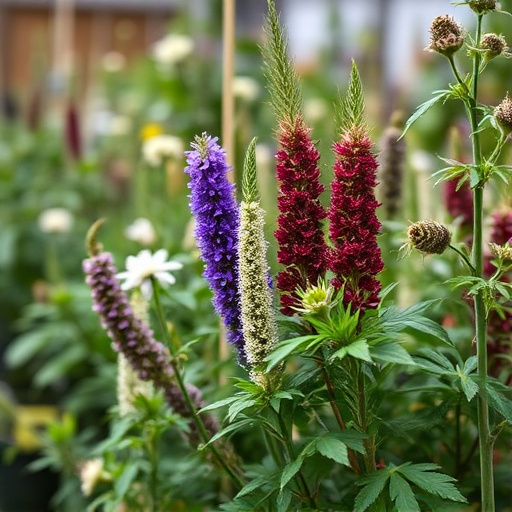
The Bachelor Of Science Medicinal Plant program is designed to equip students with a deep understanding of the scientific and cultural aspects of herbal medicine. Core courses examine the chemistry and pharmacology of plants, providing a solid foundation in the scientific principles behind medicinal plant use. Elective options often include ethnobotany, where students explore the traditional knowledge and practices of diverse cultures in their use of plants for healing and wellness. This holistic approach to medicinal plant studies ensures graduates are well-versed in both the lab and the field.
Hands-on learning is a cornerstone of the program. Field work allows students to immerse themselves in natural environments, where they learn to identify plant species and gather materials responsibly. These experiences are invaluable, offering a practical understanding of plant ecology and the nuances of plant-based remedies. Research projects encourage students to contribute to the field, fostering critical thinking and problem-solving skills. By engaging in original research, students can explore specific aspects of medicinal plants, from their biological activities to their cultural significance, under the guidance of experienced faculty.
Choosing the right Bachelor Of Science Medicinal Plant provider is crucial. When selecting a program, consider the faculty's expertise, the diversity of course offerings, and the opportunities for practical training. Students should seek programs that offer a balance of theoretical knowledge and hands-on experience, as this combination best prepares them for careers in the field. Checking with industry professionals and alumni can provide valuable insights into the program's quality and its graduates' success in securing employment. Investing time in research ensures students make an informed decision, ultimately determining whether the Bachelor Of Science Medicinal Plant is worth their time and effort.
Career Paths and Impact: B.S. In Medicinal Plants in Action
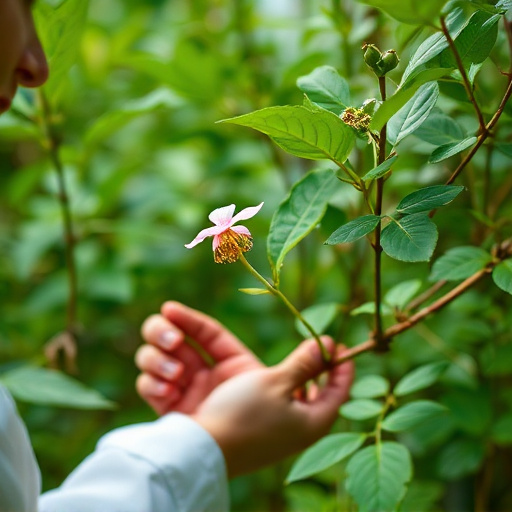
The knowledge and skills gained through a Bachelor Of Science Medicinal Plant can open doors to diverse and fulfilling career paths. Graduates can pursue roles as pharmacists, leveraging their understanding of plant chemistry to formulate and dispense herbal medications. Alternatively, they might become herbalists, providing natural health remedies and consulting with clients on holistic wellness. Research scientist positions within universities or pharmaceutical companies allow graduates to contribute to advanced ethnobotany studies, exploring the therapeutic potential of plants and developing novel treatments. These professionals play a vital role in preserving traditional knowledge, discovering new active compounds, and advancing the field of herbal medicine.
Choosing the right Bachelor Of Science Medicinal Plant provider is crucial. Students should consider factors like program curriculum, faculty expertise, and opportunities for hands-on learning. A well-rounded education includes core courses in botany, pharmacology, and chemistry, alongside electives in areas like ethnopharmacology or natural product synthesis. Field work and research projects are essential for gaining practical experience and making a meaningful impact. Students might collaborate with local communities to document traditional plant uses, or conduct laboratory research on the bioactivity of medicinal plants.
The question "Is Bachelor Of Science Medicinal Plant worth it?" is subjective and depends on individual goals. However, the value lies in the unique combination of scientific rigor and practical application. Graduates are equipped to contribute to the global advancement of herbal medicine, offering alternative healthcare solutions and promoting sustainable practices. The demand for skilled medicinal plant professionals is growing, with many industries recognizing the importance of natural remedies. Thus, a Bachelor Of Science Medicinal Plant can lead to a rewarding and impactful career, bridging the gap between traditional knowledge and modern science.
Frequently Asked Questions About Bachelor Of Science Medicinal Plant
What is a Bachelor Of Science in Medicinal Plant? This degree program offers a comprehensive understanding of medicinal plants, their cultivation, chemistry, and therapeutic applications. Students learn about various plant species, their active compounds, and their use in modern and traditional medicine. It combines scientific knowledge with practical skills in plant identification, cultivation, and extraction.
What are the key courses in this program? Courses cover a wide range of topics, including botany, pharmacology, chemistry, plant cultivation techniques, traditional and modern medicine, herbal processing, and pharmacognosy (the study of drug-bearing plants). Students also gain hands-on experience through laboratory work, fieldwork, and possibly even internships in the pharmaceutical or healthcare industry.
What skills does this degree equip students with? Graduates gain expertise in identifying, cultivating, and extracting medicinal plants. They learn about plant chemistry, pharmacology, and the development of herbal remedies. These skills are valuable for careers in pharmaceuticals, healthcare, research, traditional medicine, and even entrepreneurship in the herbal industry.
Can I become a certified herbalist with this degree? While the Bachelor of Science in Medicinal Plant provides a strong foundation, becoming a certified herbalist often requires additional training and certification. Many programs offer specialized courses or certifications in herbalism, and some jurisdictions may have specific licensing requirements for practicing herbalists.
Are there any career opportunities in this field? Indeed, there are diverse career paths. Graduates can pursue roles in pharmaceutical research, quality control, product development, clinical trials, or work in traditional medicine settings. They may also find opportunities in academia, government agencies, or even start their own businesses focused on medicinal plants.
What are some of the latest advancements in medicinal plant research? Research continues to explore the potential of medicinal plants in modern medicine. Advances include the discovery of new bioactive compounds, improved extraction methods, and the development of novel drug formulations from plant sources. The field also benefits from increased global collaboration and the sharing of traditional knowledge.
Completing a Bachelor Of Science Medicinal Plant program equips graduates with a robust understanding of herbal medicine, plant chemistry, and ethnobotany. Through a combination of core courses, electives, field work, and research projects, students gain practical skills in identifying, cultivating, and extracting medicinal plants. This well-rounded education opens doors to diverse career paths, from pharmacist and herbalist to research scientist and healthcare provider. The impact of such a degree extends beyond the individual, contributing to the development of evidence-based herbal remedies and the advancement of traditional knowledge in modern healthcare settings. With a solid foundation in medicinal plant studies, graduates are poised to make meaningful contributions to this growing and vital field.