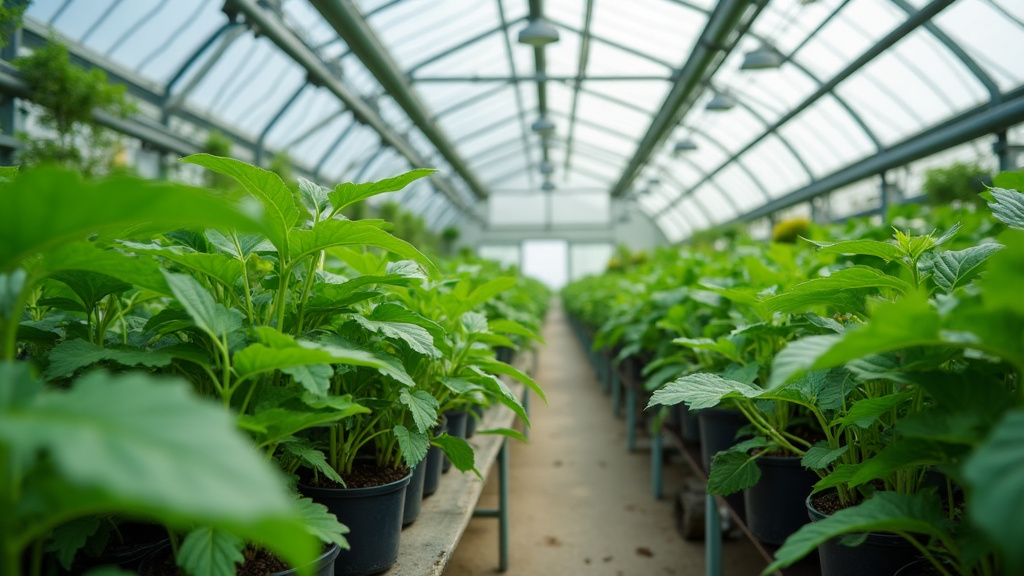
At a glanceA Bachelor of Science in Medicinal Plants is a degree program that teaches the science behind plants used for medicinal purposes. It covers botany, pharmacology, and herbal medicine, preparing students to identify, cultivate, and utilize medicinal plants effectively. This knowledge is valuable for natural health practitioners and researchers seeking alternative treatments.
Key Takeaways
- A Bachelor of Science in Medicinal Plants offers a specialized education path for those interested in the scientific study and application of plants for medicinal purposes.
- Understanding the chemical composition and pharmacological actions of medicinal plants is a key focus, providing a deep understanding of their therapeutic potential.
- This degree equips graduates with the skills to conduct research, analyze data, and develop new medicinal products derived from plants.
- The program often includes fieldwork, allowing students to learn about different ecosystems and their unique plant species.
- Graduates can pursue careers in pharmaceutical research, herbal product development, or as researchers in academia or the pharmaceutical industry.
- A strong understanding of botany, chemistry, and pharmacology forms the foundation for success in this specialized field.
- Staying up-to-date with regulations and safety standards related to medicinal plants is essential for professionals in this industry.
The global demand for natural, plant-based remedies has surged, highlighting the critical need for skilled professionals in the field of medicinal plants. This growth underscores the importance of the Bachelor Of Science Medicinal Plant as a vital educational path. The program equips students with the knowledge and hands-on experience to contribute to this burgeoning industry.
Currently, the healthcare landscape is shifting towards holistic treatments, making the expertise cultivated through this degree increasingly valuable. By examining core courses in herbology, plant chemistry, and ethnobotany, students gain a profound understanding of the scientific and cultural significance of medicinal plants. This prepares them for careers as pharmacists, herbalists, and research scientists, driving innovation in natural medicine.
Bachelor Of Science In Medicinal Plant Sciences Online: Where to Start
Looking for bachelor of science in medicinal plant sciences online? Beal University can answer your questions directly.
- Understanding the Bachelor's Degree in Medicinal Plants
- Curriculum and Skills: A Deep Dive
- Career Paths and Impact in Medicinal Plant Science
Understanding the Bachelor's Degree in Medicinal Plants

A Bachelor of Science in Medicinal Plants offers an in-depth exploration of the world’s most potent healers-plants. This degree is more than just learning about herbs; it’s a comprehensive understanding of their chemistry, ethnobotany, and the cultural practices surrounding them. The program typically includes a mix of core courses in botany, chemistry, and pharmacology, alongside electives and field work that examine deeper into specific medicinal plant traditions and research methodologies. Students might study ethnobotany, learning from local communities how certain plants are used therapeutically, or engage in hands-on research on the chemical composition of medicinal plants.
Choosing the right provider for this specialized degree is crucial. When selecting a university or program, consider the faculty’s research expertise in medicinal plants, the diversity of courses offered, and opportunities for practical application, like clinical rotations or fieldwork. Look for programs that align with your career goals, whether you aspire to become a pharmacist specializing in herbal medicine, a research scientist studying plant compounds, or a healthcare provider incorporating ethnobotanical practices into modern treatment plans.
To qualify for a Bachelor of Science in Medicinal Plants, applicants typically need a high school diploma or equivalent, and some programs may require basic prerequisite courses in biology, chemistry, and mathematics. Demonstrating a genuine interest in the subject matter and a commitment to the field through extracurricular activities or work experience can also strengthen your application. Remember, this degree is not just about learning about plants; it’s about understanding their potential to improve human health and well-being, and preparing you to contribute to this growing field.
Curriculum and Skills: A Deep Dive
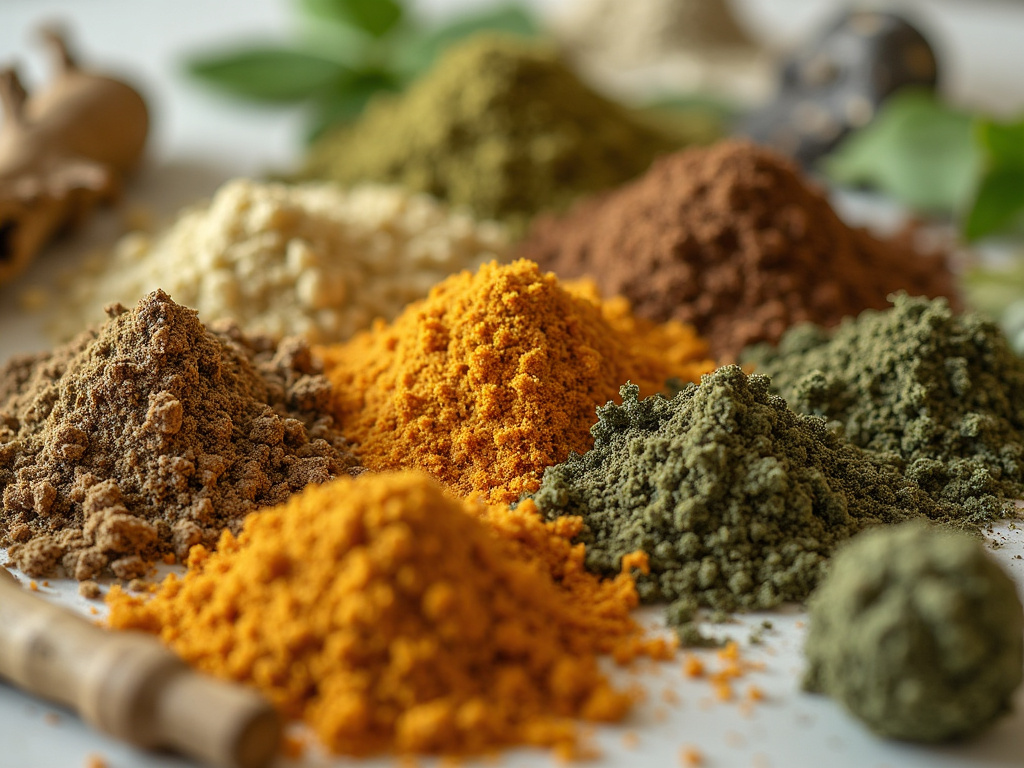
The Bachelor Of Science in Medicinal Plant is a rigorous program designed to equip students with a deep understanding of the complex world of herbal medicine and plant chemistry. This course goes beyond the basic science of plants to explore their application in healthcare. Students engage in a well-rounded curriculum that combines core courses in botany, pharmacology, and chemistry with elective options in ethnobotany and advanced research methodologies. This blend ensures graduates possess a broad skill set applicable across various sectors, from pharmaceutical development to traditional herbal practices.
The program’s focus on hands-on learning is evident through mandatory field work, where students study plants in their natural habitats, and research projects that encourage them to examine specific aspects of medicinal plants. These experiences not only deepen their knowledge but also prepare them for real-world challenges. Students might collaborate with local communities to document traditional plant uses, a valuable skill for ethnobotany research and conservation efforts. This practical exposure is a key differentiator of the program, ensuring graduates are job-ready and equipped to contribute to the growing field of herbal medicine.
Choosing the right Bachelor Of Science Medicinal Plant program is crucial. Students should consider factors like faculty expertise, research opportunities, and the program’s alignment with their career aspirations. A thorough review of the curriculum, faculty profiles, and alumni achievements can provide valuable insights. When evaluating the worth of this degree, consider the growing demand for skilled herbalists and researchers in the pharmaceutical industry, as well as the potential to contribute to the global research landscape. With the right focus and commitment, a Bachelor Of Science Medicinal Plant can indeed open doors to fulfilling and impactful careers.
| Factor | What to know |
|---|---|
| Core curriculum | Botany, chemistry, pharmacology combined with electives like ethnobotany |
| Hands-on fieldwork | Mandatory field study of plants in natural habitats and ecosystems |
| Admission requirements | High school diploma plus prerequisites in biology, chemistry, math |
| Career paths | Pharmacist, herbalist, research scientist, or pharmaceutical industry researcher |
| Program selection factors | Consider faculty expertise, course diversity, and fieldwork opportunities |
| Industry demand | Growing need for natural, plant-based remedies drives job opportunities |
Career Paths and Impact in Medicinal Plant Science
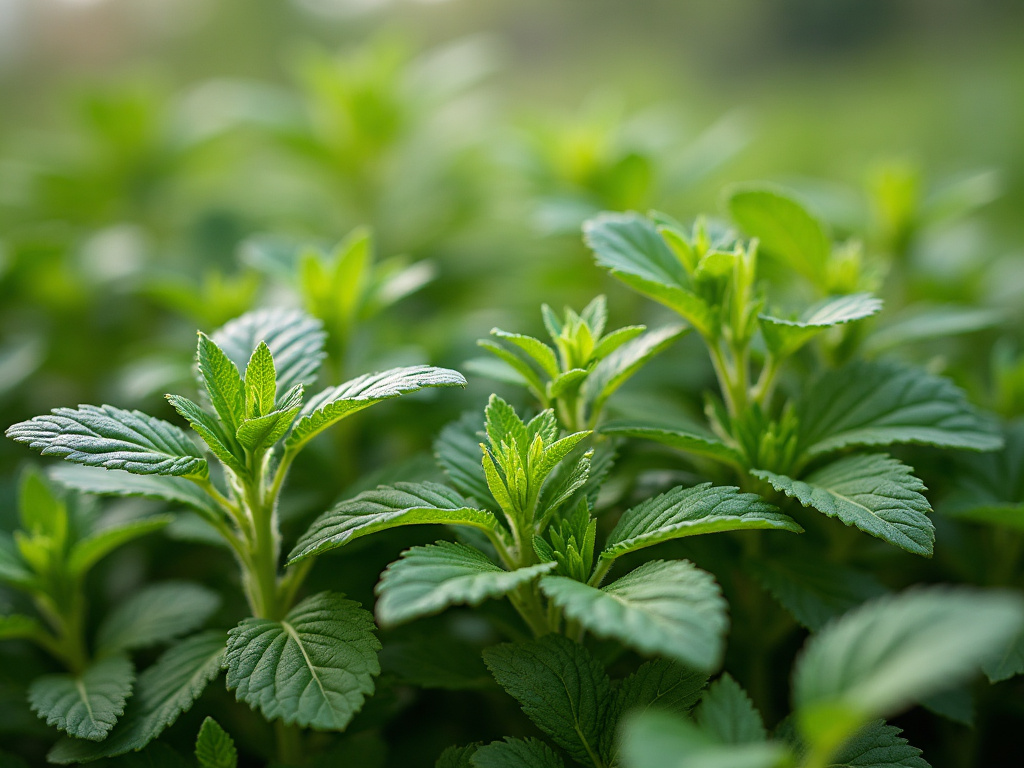
The Bachelor Of Science in Medicinal Plant offers a specialized pathway for those passionate about the intersection of botany and healthcare. Graduates are prepared to enter a growing field with diverse career opportunities. This degree equips students with the knowledge and skills to research, cultivate, and utilize medicinal plants for therapeutic purposes.
Curriculum involves a blend of core courses in plant chemistry and ethnobotany, alongside electives that cater to individual interests. Students engage in hands-on field work and contribute to research projects, fostering a deep understanding of plant-based medicine. This immersive approach prepares them to become experts in their field.
Choosing a Bachelor Of Science Medicinal Plant provider involves careful consideration. Students should look for programs that offer comprehensive training, experienced faculty, and opportunities for practical application. Partnerships with local apothecaries or research institutions can enrich the learning experience. The process involves evaluating program strengths, faculty expertise, and available resources to ensure alignment with career goals.
Upon completion, graduates are poised for various roles. They can pursue careers as pharmacists specializing in herbal remedies, herbalists providing plant-based treatments, or research scientists investigating medicinal plants’ efficacy. Their knowledge makes them valuable in healthcare settings, contributing to the development and administration of natural remedies. This versatile degree opens doors to a world where science meets nature, offering a unique and impactful career path.
Frequently Asked Questions About Bachelor Of Science Medicinal Plant
What is a Bachelor Of Science in Medicinal Plant?
A Bachelor of Science (B.S.) in Medicinal Plant is an undergraduate academic degree that focuses on the study of plants used for medicinal purposes. This program combines botany, pharmacology, and chemistry to educate students about the scientific basis of traditional and modern medicine using plants.
What are the admission requirements for this program?
Admission requirements typically include a high school diploma or equivalent, with a strong focus on science courses such as biology, chemistry, and physics. Some programs may also require standardized test scores (like the SAT or ACT) and letters of recommendation. A minimum cumulative GPA may also be required.
What kind of courses can I expect in this program?
Coursework often includes introductory botany, pharmacognosy (the study of medicinal plants), natural products chemistry, herbology, and pharmacology. Students may also participate in laboratory work, field studies, and internships to gain practical experience.
Can I pursue a career in medicine after completing this degree?
While a B.S. In Medicinal Plant provides a strong foundation, it is not a medical degree. However, it can serve as an excellent base for further study in medical or pharmaceutical fields. Many graduates pursue master’s degrees or medical school, leveraging their knowledge of medicinal plants in research or clinical settings.
Are there any career opportunities in the field of medicinal plants?
Absolutely. Graduates can work in various sectors including pharmaceutical companies, research institutions, government agencies, universities, and healthcare facilities. They may also choose to become herbalists, consultants, or entrepreneurs, developing and marketing medicinal plant products.
What are some of the latest trends in the field of medicinal plants?
Current trends include the integration of traditional medicine with modern pharmacology, the study of plant-based compounds for cancer treatment, and the increasing interest in natural, alternative therapies. There’s a growing emphasis on sustainable harvesting and conservation of medicinal plants.
How can I learn more about this program at a local university?
The best way is to contact the university’s admissions office or department of biology/pharmacy directly. They can provide specific program information, application deadlines, and any available scholarships or financial aid options. Visiting the campus and speaking with current students or faculty can also be beneficial.
Completing an in-depth exploration of the Bachelor of Science in Medicinal Plants, we find this degree offers a comprehensive education in the complex world of herbal medicine and plant chemistry. The program equips graduates with a unique skill set, blending core courses in botany, pharmacology, and anthropology with hands-on field work and research projects. This holistic approach prepares students for diverse career paths, from becoming licensed pharmacists specializing in herbal remedies to conducting ethnobotany research that bridges traditional knowledge with modern science. The impact of this degree extends beyond the classroom, fostering a deeper understanding of the intricate relationship between humans and plants, and contributing to the advancement of natural healthcare solutions.
Beal University
99 Farm Rd, Bangor, ME 04401
(207) 307-3900
Website: beal.edu
View Beal University on Google Maps
For related local guidance, see our bachelor of science medicinal plant resources.