
Key Takeaways
- A Bachelor of Science in Medicinal Plants equips graduates with the knowledge to cultivate, extract, and research medicinal compounds from plants.
- This degree is crucial for those interested in the pharmaceutical, nutraceutical, and wellness industries, offering a wide range of career paths.
- Students learn about plant identification, botany, pharmacognosy, and sustainable cultivation practices, ensuring they understand the natural origins of medicine.
- Medicinal plant research is a dynamic field, with new discoveries constantly expanding the pool of potential treatments from botanical sources.
- The program’s hands-on approach, often involving fieldwork and laboratory research, ensures students gain practical experience in the field.
- Graduates can pursue roles as herbalists, pharmaceutical researchers, quality control specialists, or even start their own medicinal plant-based businesses.
- Understanding the scientific basis behind traditional medicine practices is key to developing effective, evidence-based modern treatments.
At a glanceA Bachelor of Science in Medicinal Plants is a specialized degree that focuses on the scientific study of plants used for medicinal purposes. It involves learning about the chemical composition, medicinal properties, and cultivation of various plants, with the goal of developing new drugs and treatments. This field combines botany, chemistry, and pharmacology to explore the potential health benefits of nature’s resources.
The global demand for natural, plant-based remedies is booming, underscoring the critical need for skilled professionals in the field of medicinal plants. The Bachelor Of Science Medicinal Plant equips students with the knowledge and practical skills to contribute to this growing industry. However, the program faces challenges in keeping pace with the dynamic nature of herbal medicine, constantly evolving research, and the cultural diversity of plants worldwide. This article examines the core components of this unique degree, exploring how it cultivates experts capable of navigating these complexities. By examining the curriculum, research opportunities, and career paths, we reveal the profound impact the Bachelor Of Science Medicinal Plant can have on both traditional and modern healthcare systems.
Bachelor Of Science In Medicinal Plant Sciences Online: Where to Start
Looking for bachelor of science in medicinal plant sciences online? Beal University can answer your questions directly.
- Understanding the Bachelor Of Science Medicinal Plant Curriculum
- Practical Applications: Growing and Harvesting Medicinal Plants
- Career Paths: Using Your Degree in Medicinal Plant Science
Understanding the Bachelor Of Science Medicinal Plant Curriculum
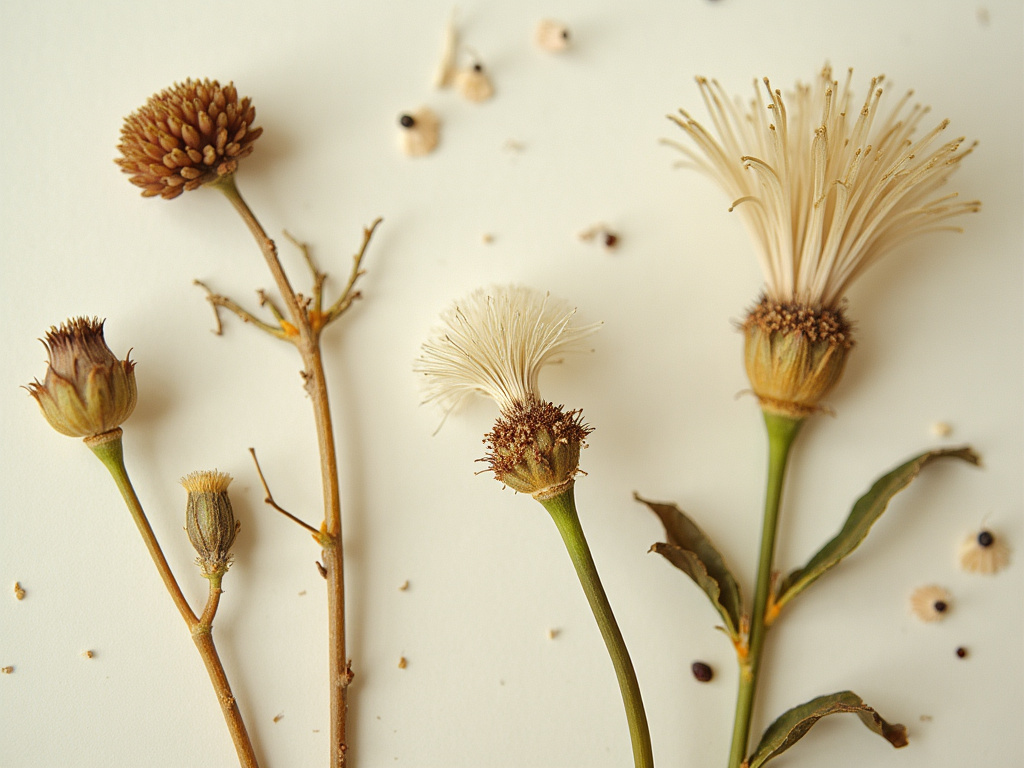
The Bachelor of Science (BS) Medicinal Plant program is a comprehensive, interdisciplinary approach to understanding and utilizing the healing properties of plants. Unlike a general herbalism certificate, this advanced degree examines deeply into the science behind medicinal plants, encompassing chemical composition, pharmacology, and ethnobotany. Students at institutions like University X learn not just about the plants themselves, but also the chemistry behind their efficacy, the cultural contexts in which they’ve been used, and how to apply this knowledge in modern healthcare settings.
The BS Medicinal Plant curriculum is meticulously structured to provide a robust educational foundation. Core courses in plant chemistry and ethnobotany introduce students to the fundamentals of plant science and traditional knowledge systems. Electives allow for specialization in areas like clinical herbalism, botanical conservation, or natural products research. Hands-on field work exposes students to diverse plant communities, fostering a deeper connection with the natural world and practical skills in plant identification. Research projects encourage students to contribute to the field, designing and conducting their own studies on medicinal plant applications.
Is the BS Medicinal Plant degree worth the investment? Absolutely, according to industry professionals. The process involves developing a unique blend of technical expertise and cultural sensitivity. Graduates are equipped to work as herbalists, researchers, or even in the pharmaceutical industry, leveraging their understanding of plant-based medicine to contribute to modern healthcare. Many pharmaceutical companies increasingly tap into traditional knowledge systems, valuing the BS Medicinal Plant graduate’s ability to bridge the gap between ancient healing practices and contemporary science.
Practical Applications: Growing and Harvesting Medicinal Plants

In a Bachelor Of Science Medicinal Plant program, students examine the practical applications of growing and harvesting medicinal plants, an essential component of herbal medicine and ethnobotany. This involves understanding the unique cultivation needs of various species, from soil preparation to optimal sunlight and water requirements. Some plants thrive in acidic soil, while others prefer alkaline conditions, and each species’ needs must be carefully considered. Students learn to identify and select the best plants for cultivation based on their medicinal properties and local environmental conditions.
The process begins with field work, where students gain hands-on experience in botanical gardens or local farms. They learn to recognize different plant species, assess their growth, and collect samples for analysis. This fieldwork is crucial as it provides a deep understanding of plant behavior in natural settings. Back in the laboratory, students conduct detailed analyses using plant chemistry techniques to extract and identify active compounds responsible for the medicinal properties. This involves mastering techniques like chromatography and spectrophotometry.
To qualify for a Bachelor Of Science Medicinal Plant degree, students must demonstrate proficiency in both theoretical knowledge and practical skills. Core courses cover botanical taxonomy, plant physiology, and pharmacognosy (the study of the history, botany, chemistry, and pharmacology of drug plants). Elective courses allow students to specialize in areas like ethnobotany, plant cultivation, or natural product chemistry. Successful completion of these courses and a comprehensive research project, where students explore a specific medicinal plant and its applications, leads to graduation. The program equips students with the knowledge and skills to contribute to the growing field of herbal medicine and plant-based healthcare solutions.
| Factor | What to know |
|---|---|
| Curriculum Core | Covers plant chemistry, ethnobotany, botanical taxonomy, and pharmacognosy |
| Hands-on Fieldwork | Students study plant communities in botanical gardens and farms |
| Lab Techniques | Includes chromatography and spectrophotometry to extract active compounds |
| Specialization Electives | Options include clinical herbalism, conservation, or natural products research |
| Research Project | Capstone study on a specific medicinal plant and its applications |
| Career Paths | Roles as herbalists, researchers, quality control specialists, or business owners |
Career Paths: Using Your Degree in Medicinal Plant Science
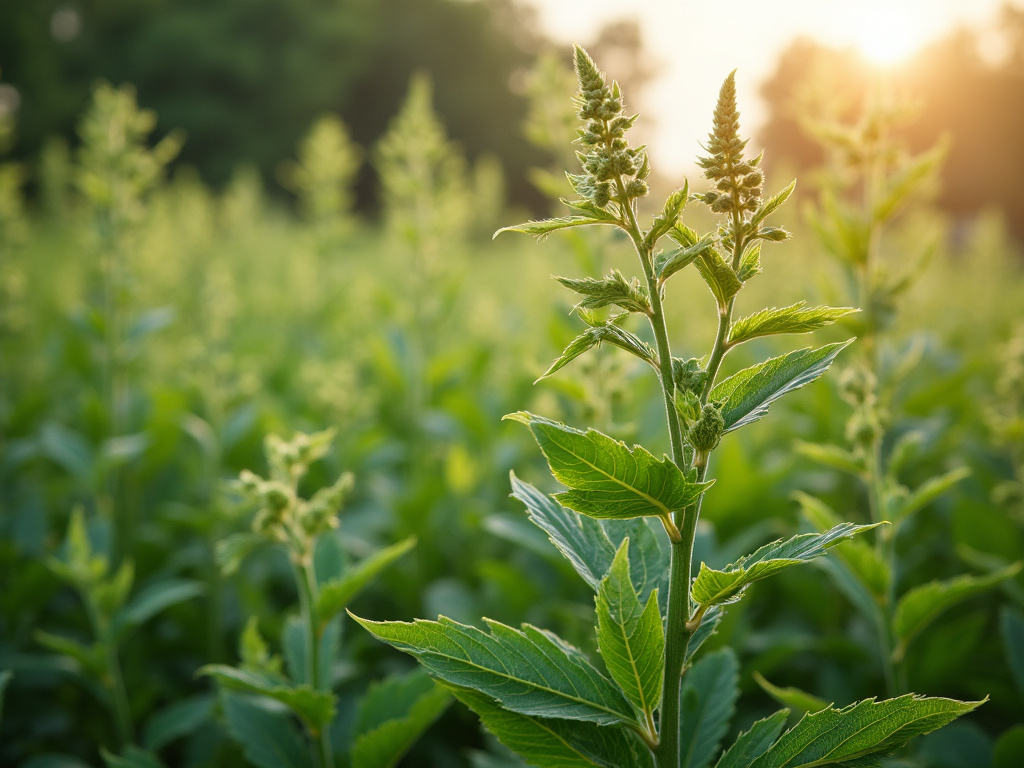
After completing a Bachelor Of Science Medicinal Plant, you’re equipped with a diverse skill set that opens doors to a range of rewarding career paths. Your degree forms a strong foundation in the scientific study of plants used for medicinal purposes, and your career trajectory depends on your unique interests and passions.
Many graduates enter the pharmaceutical industry, working as pharmacists or research scientists. In these roles, you’d contribute to the development and testing of herbal remedies, ensuring their safety and efficacy. You might research and analyze plant compounds for their potential medicinal benefits, or help formulate and package herbal medications. Another avenue is to become a herbalist, where you’d provide guidance and education to individuals seeking herbal treatments. This career path often involves working in wellness centers or opening your own practice.
When deciding on a career path, consider your desired work environment. Do you envision yourself in a fast-paced research lab or interacting directly with clients in a holistic setting? This decision will influence your choice of employer. Whether you’re considering a Bachelor Of Science Medicinal Plant from University X or another institution, ensure the program aligns with your career aspirations. The value of such a degree lies not only in the knowledge gained but also in the doors it opens and the unique experiences it can offer. However, it’s crucial to weigh the cost of the degree against the potential return on investment. The job market for medicinal plant experts is robust, with demand expected to grow in the coming years. Thus, choosing a reputable provider, such as University X, that offers a comprehensive curriculum and hands-on experiences, can significantly enhance your employability.
Frequently Asked Questions About Bachelor Of Science Medicinal Plant
What is a Bachelor Of Science Medicinal Plant?
A Bachelor’s degree in Medicinal Plants is an undergraduate academic program focused on the study of plants used for medicinal purposes. It combines scientific knowledge with traditional practices, teaching students about the cultivation, identification, and extraction of medicinal compounds from plants. The curriculum often includes botany, pharmacology, chemistry, and sustainable agriculture.
What skills does this program impart?
Graduates gain a broad range of skills, including plant identification and cultivation techniques, chemical analysis, traditional knowledge of medicinal plants, and modern pharmaceutical practices. They learn to conduct research, analyze data, and apply scientific methods to the study of medicinal plants, preparing them for careers in pharmaceuticals, research, or natural healthcare.
What are the career opportunities after completing this program?
Graduates can pursue careers as medicinal plant researchers, pharmaceutical scientists, natural product chemists, herbalists, or in the pharmaceutical industry. They may work in research and development, quality control, or as specialists in traditional medicine, contributing to the discovery and development of new drugs and therapies from natural sources.
Is this program suitable for beginners?
Absolutely. The program is designed to accommodate students from diverse backgrounds, providing a comprehensive introduction to the world of medicinal plants. While a basic scientific background is beneficial, many institutions offer foundational courses to ensure students have the necessary knowledge to succeed.
What are the key topics covered in the curriculum?
Curricula typically cover a wide spectrum, including plant taxonomy and anatomy, pharmacognosy (the study of medicinal plants), plant metabolism, chemical analysis of natural products, traditional and modern medicinal practices, and regulations governing the pharmaceutical industry. Hands-on training may include fieldwork, laboratory research, and internships.
Are there any practical applications of this degree?
Indeed, the degree offers numerous practical applications. Students learn to source and cultivate medicinal plants sustainably, ensuring a reliable supply of high-quality materials for pharmaceutical use. They also gain insights into the complex world of natural product chemistry, contributing to the development of new treatments and expanding our understanding of traditional medicine.
Completing a Bachelor Of Science Medicinal Plant program equips graduates with a profound understanding of herbal medicine, plant chemistry, and ethnobotany. This knowledge translates into practical skills in growing and harvesting medicinal plants, enabling professionals to source and prepare remedies safely and effectively. The degree opens doors to diverse career paths, from pharmacist and herbalist to research scientist and healthcare provider. Students are well-prepared to contribute to the advancement of natural healthcare solutions, bridging the gap between traditional wisdom and modern science.
Key takeaways include:
– A comprehensive curriculum that balances core courses, electives, field work, and research projects.
– Hands-on experience in cultivating and extracting the active compounds from medicinal plants.
– A foundation in both the scientific and cultural significance of plants in healing practices.
– Diverse career prospects in an expanding field, driven by a growing interest in holistic health.
Next steps for aspiring students include exploring University X’s program details, engaging in field studies, and participating in research projects to gain practical experience. This hands-on approach, combined with a solid theoretical base, ensures graduates are well-prepared to make meaningful contributions to the science and practice of medicinal plants.
Beal University
99 Farm Rd, Bangor, ME 04401
(207) 307-3900
Website: beal.edu
View Beal University on Google Maps
For related local guidance, see our bachelor of science medicinal plant resources.