
At a glanceA Bachelor of Science in Medicinal Plants is a specialized degree focused on the study of plants used for medicinal purposes. Students learn to identify, cultivate, and extract compounds from plants, understanding their chemical properties and traditional uses. This program combines botany, chemistry, and pharmacology to prepare graduates for careers in research, herbology, and the pharmaceutical industry.
Key Takeaways
- A Bachelor of Science in Medicinal Plants equips students with the knowledge to identify, cultivate, and extract medicinal compounds from plants, fostering innovation in natural healthcare solutions.
- Understanding the chemical composition of plants allows graduates to develop effective pharmaceutical formulations, bridging the gap between traditional medicine and modern science.
- This program empowers individuals to contribute to the global research and development of plant-based medicines, addressing a growing demand for natural healthcare options.
- Fieldwork and practical labs provide hands-on experience in sustainable cultivation practices, ensuring graduates are prepared to meet the challenges of large-scale production.
- The course curriculum often incorporates case studies on successful medicinal plant businesses, offering insights into market trends and entrepreneurial opportunities.
- By exploring traditional knowledge systems alongside modern research methods, students gain a comprehensive understanding of the historical and cultural significance of medicinal plants.
- Many graduates find opportunities in research institutions, pharmaceutical companies, and startups focused on developing plant-based therapies.
In the modern pursuit of holistic healthcare, the Bachelor Of Science in Medicinal Plant stands as a beacon of knowledge, bridging the gap between traditional herbal practices and scientific rigor. As the demand for natural remedies surges, understanding the complex chemistry and ethnobotany of medicinal plants has become paramount. However, the challenge lies in educating practitioners who can effectively harness these ancient remedies while adhering to modern standards of safety and efficacy. This article examines the comprehensive curriculum and diverse career paths offered by this specialized degree, equipping readers with insights into how the Bachelor Of Science Medicinal Plant program prepares graduates to become the stewards of herbal medicine’s future.
Bachelor Of Science In Medicinal Plant Sciences Online: Where to Start
Looking for bachelor of science in medicinal plant sciences online? Beal University can answer your questions directly.
- Understanding the Bachelor's Degree in Medicinal Plant Science
- Curriculum: Exploring the Core Topics and Electives
- Career Paths and the Impact of This Specialized Education
Understanding the Bachelor's Degree in Medicinal Plant Science

A Bachelor of Science in Medicinal Plant Science offers an in-depth exploration of the complex world of plants used for medicinal purposes. This degree program, typically offered through institutions like University X, combines rigorous academic study with practical application. Students examine core courses covering plant chemistry, ethnobotany, and herbal medicine, gaining a foundational understanding of plant-based healthcare. Electives allow for specialization in areas such as clinical herbalism or research methodologies, catering to individual career aspirations.
Choosing a Bachelor of Science Medicinal Plant program is a significant step, requiring careful consideration. Students should evaluate the curriculum, faculty expertise, and available research opportunities. Institutions with strong connections to local botanical gardens or traditional healing communities can offer unique field work and cultural exchange opportunities. Assessing the program’s practical outcomes and job placement rates can provide valuable insights into its worth. This degree is highly relevant in today’s growing interest in natural healthcare, offering promising career paths as a pharmacist, herbalist, or research scientist in the pharmaceutical industry.
Selecting a provider is crucial, especially with the increasing number of online programs. Students must ensure that the chosen institution maintains high academic standards and offers a comprehensive learning environment. On-campus experiences, including laboratory work and clinical rotations, are invaluable for hands-on learning. Networking opportunities with industry professionals can significantly enhance career prospects. A Bachelor of Science in Medicinal Plant Science is an investment in one’s future, and the quality of the program can impact career opportunities and the ability to contribute to the growing field of natural medicine.
Curriculum: Exploring the Core Topics and Electives
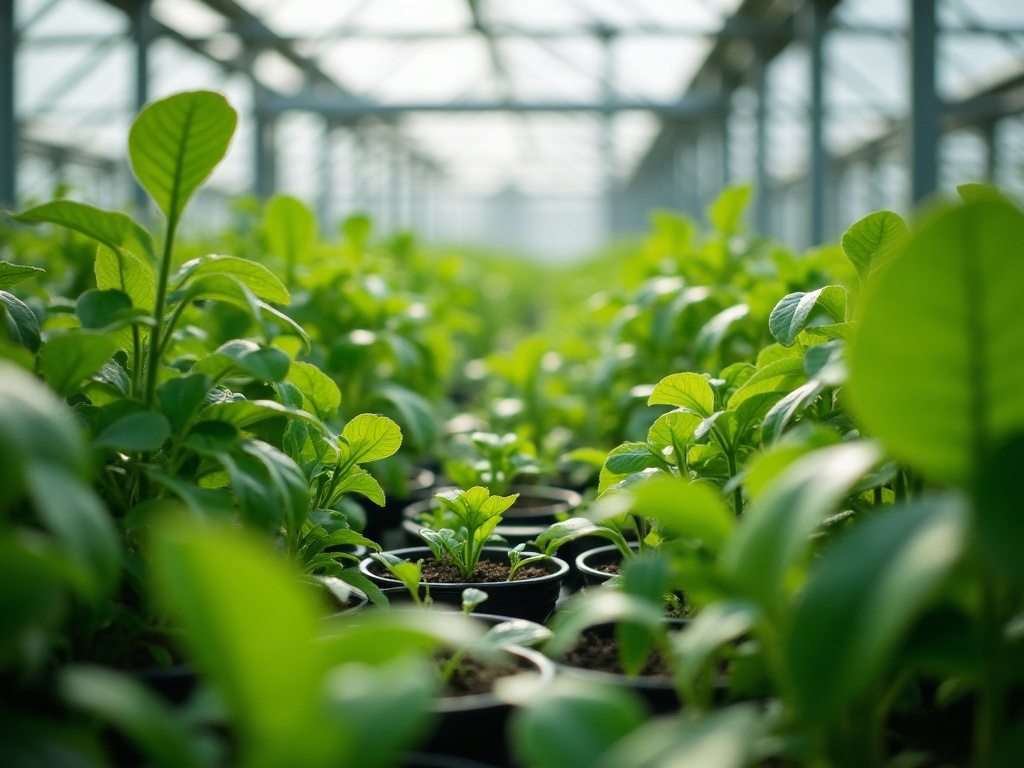
The curriculum for a Bachelor Of Science Medicinal Plant is meticulously designed to offer a comprehensive exploration of the field, providing both theoretical knowledge and practical skills. Students examine core topics such as plant chemistry, where they learn about the chemical composition of plants and their therapeutic properties. This foundation is crucial for understanding the scientific basis of herbal medicine. Electives in ethnobotany, for instance, allow students to study the traditional uses of plants in different cultures, offering a rich perspective on the historical and cultural significance of medicinal plants.
A key aspect of this degree is the emphasis on hands-on learning. Field work is integrated into the curriculum, giving students the chance to collect and identify plants in their natural habitats. This experiential component is vital, as it connects classroom theory with real-world application. Research projects are encouraged, enabling students to contribute to the growing body of knowledge in medicinal plant science. These opportunities not only deepen understanding but also prepare students for careers where they can apply their expertise.
To qualify for this degree, prospective students need a strong interest in both science and natural history. While a background in biology or chemistry is beneficial, the program is designed to accommodate students from diverse educational paths. The degree is certainly worth the investment for those passionate about plants and their healing potential. It opens doors to careers as diverse as herbalist, research scientist, or even pharmacist, where knowledge of medicinal plants is invaluable. A graduate could specialize in developing herbal remedies, contributing to the growing field of alternative medicine.
| Factor | What to know |
|---|---|
| Core curriculum | Covers plant chemistry, ethnobotany, and herbal medicine fundamentals |
| Electives | Specialize in clinical herbalism or research methodologies |
| Hands-on learning | Fieldwork and research projects connect theory to real-world application |
| Program selection factors | Evaluate curriculum, faculty expertise, research opportunities, and job placement rates |
| Career paths | Herbalist, research scientist, pharmacist, or pharmaceutical industry roles |
| Entry requirements | Strong interest in science and natural history; biology/chemistry background helpful |
Career Paths and the Impact of This Specialized Education

The Bachelor Of Science in Medicinal Plant offers a specialized path for those interested in the intricate world of herbal medicine and plant chemistry. This degree equips students with a deep understanding of the scientific basis of medicinal plants, their ethnobotany, and the chemical processes involved in their cultivation and extraction. Upon completion, graduates are equipped with a diverse skill set that opens multiple, fulfilling career opportunities.
Many professionals in the healthcare and wellness industries find this degree valuable. Pharmacists, herbalists, and research scientists are among the roles graduates often pursue. A Bachelor Of Science Medicinal Plant degree can prepare one to work in herbal pharmacies, where knowledge of plant properties and their safe use is paramount. The degree’s focus on ethnobotany can lead to roles in cultural heritage preservation and community health initiatives, especially in regions rich in indigenous plant knowledge.
When considering pursuing a Bachelor Of Science Medicinal Plant, a thoughtful evaluation is essential. Students must weigh the benefits against the commitment. The program typically demands a strong academic foundation in science, a passion for learning about plants, and the ability to conduct independent research. A solid understanding of local and global plant communities and their uses is developed through a combination of classroom learning, laboratory work, and field research.
Choosing the right provider is crucial. Students should look for universities with reputable programs, experienced faculty, and strong industry connections. University X, for example, stands out for its immersive field work opportunities and industry partnerships, ensuring students are well-prepared for the professional world. This thorough approach to education ensures graduates are not only knowledgeable but also confident in their abilities, making the Bachelor Of Science Medicinal Plant a worthwhile investment in one’s future, provided the student is genuinely interested and qualified.
Frequently Asked Questions About Bachelor Of Science Medicinal Plant
What is a Bachelor Of Science Medicinal Plant?
A Bachelor of Science (BS) in Medicinal Plant is an undergraduate academic program focused on the scientific study of plants used for medicinal purposes. This degree equips students with knowledge of botany, pharmacology, chemistry, and traditional medicine, enabling them to research, identify, and develop medicinal plants for various applications, from pharmaceuticals to traditional healing practices.
Are there any specific courses in this program?
Curricula vary, but core courses often include Botanical Taxonomy, Medicinal Chemistry, Phytopharmacology, Plant Identification, Ethnobotany, and Clinical Research Methods. Electives might explore topics like Aromatherapy, Herbal Medicine, or Sustainable Agriculture, allowing students to tailor their education to specific areas of interest within the field.
What kind of career opportunities are available with this degree?
Graduates can pursue careers as Medicinal Plant Researchers, Pharmaceutical Scientists, Herbalists, Natural Product Chemists, and even in the pharmaceutical industry. They may work in research and development, quality control, product formulation, or as consultants, contributing to the discovery and development of new medicinal treatments from plant-based sources.
Do I need prior experience in science or medicine to apply?
While a strong scientific background is beneficial, many programs accept students from diverse academic paths. Strong critical thinking, problem-solving, and research skills are crucial. Prior experience in biology, chemistry, or related fields can be advantageous, but many students enter the program with a general interest in plants and medicine and gain the necessary scientific foundation during their studies.
What are some notable career paths for graduates?
Graduates can contribute to the discovery and development of new pharmaceuticals, participate in clinical research, or focus on traditional medicine and ethnobotany. Some might work in academia, teaching and conducting research, while others enter industry roles, ensuring the quality and safety of herbal products. Public health and government agencies also employ medicinal plant experts to promote plant-based healthcare and traditional medicine practices.
The Bachelor Of Science Medicinal Plant degree equips students with a deep understanding of herbal medicine, plant chemistry, and ethnobotany, providing a solid foundation for a variety of rewarding careers. By exploring core topics like plant identification and extraction techniques, and choosing electives that align with their interests, graduates are well-prepared to enter the field. The degree’s practical application is evident in its ability to launch individuals into roles as pharmacists, herbalists, research scientists, and healthcare providers. With this specialized education, the possibilities for contributing to the development and use of medicinal plants are vast, ensuring a bright future for those who choose this path.
Beal University
99 Farm Rd, Bangor, ME 04401
(207) 307-3900
Website: beal.edu
View Beal University on Google Maps
For related local guidance, see our bachelor of science medicinal plant resources.