
Key Takeaways
- A Bachelor of Science in Medicinal Plants equips students with the knowledge to cultivate, extract, and research therapeutic compounds found in plants.
- This program combines botany, pharmacology, and chemistry to provide a comprehensive understanding of medicinal plant science.
- Graduates can pursue careers in pharmaceutical research, herbology, traditional medicine, or sustainable agriculture focused on plant-based remedies.
- The study of medicinal plants offers a vast, untapped resource for modern medicine, with countless species holding potential therapeutic value.
- Sustainable cultivation practices are a key focus, promoting responsible harvesting and preservation of valuable plant resources for future generations.
- Hands-on experience through fieldwork, labs, and internships allows students to apply theoretical knowledge to real-world scenarios in medicinal plant cultivation and extraction.
- This field is experiencing rapid growth due to increasing demand for natural, plant-based treatments and alternative medicine.
A Bachelor of Science in Medicinal Plants is a specialized degree focused on the study of plants used for medicinal purposes. Students learn to identify, cultivate, and extract compounds from plants, understanding their chemical properties and traditional uses. This program combines botany, chemistry, and pharmacology, preparing graduates for careers in herbal medicine, research, or the pharmaceutical industry.
The global demand for natural, plant-based remedies has surged, highlighting the urgent need for trained professionals in the field of medicinal plants. This calls for a comprehensive educational approach, such as the Bachelor Of Science Medicinal Plant, to bridge the gap between traditional herbal knowledge and modern scientific understanding.
Currently, the curriculum of many herbal medicine programs lacks the rigor and depth required to meet the industry's evolving standards. The Bachelor Of Science Medicinal Plant program addresses this by providing a well-rounded education that combines core courses in plant chemistry and ethnobotany with hands-on field work and research projects.
Upon completion, graduates are equipped to pursue diverse careers, from pharmacist and herbalist to research scientist and healthcare provider, making them valuable contributors to the science and practice of medicinal plants.
- Understanding the Bachelor Of Science Medicinal Plant Curriculum
- Exploring Plant Extraction Techniques for Medicinal Applications
- Career Paths: Opportunities with a Medicinal Plant Science Degree
Understanding the Bachelor Of Science Medicinal Plant Curriculum
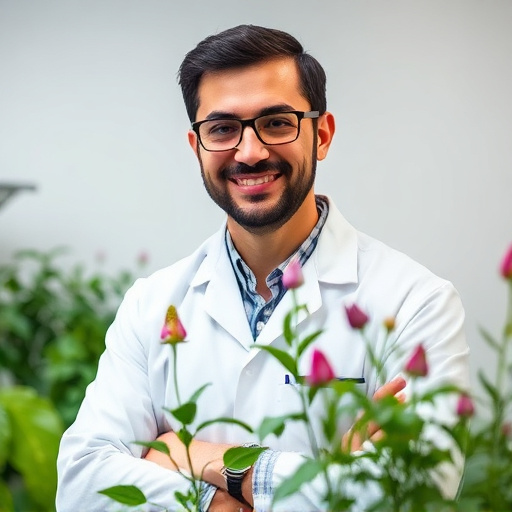
Understanding the Bachelor Of Science Medicinal Plant curriculum is crucial for aspiring practitioners. This program, offered by institutions like University X, combines a robust academic foundation in herbal medicine, plant chemistry, and ethnobotany. The core courses provide a deep examine the science behind medicinal plants, covering topics such as plant identification, pharmacognosy, and advanced chemistry. Electives allow students to specialize in areas of interest, whether it's clinical herbalism, sustainable botanical practices, or traditional ethnobotany.
Field work is a vital component, offering hands-on experience in various settings. Students might collaborate with local communities to document and study the use of medicinal plants, or they could assist in botanical gardens and research facilities. These practical experiences enrich the learning process, ensuring students are prepared to navigate real-world challenges. Research projects are another cornerstone, encouraging students to contribute new knowledge to the field. They might investigate the efficacy of specific herbs, explore traditional healing practices, or develop innovative extraction methods.
To qualify for a Bachelor Of Science Medicinal Plant degree, students must complete a set of core requirements and electives, pass comprehensive examinations, and often present a final research project. The program's worth lies in its ability to equip graduates with a broad skill set-from scientific knowledge to practical applications. Upon completion, individuals can pursue careers as pharmacists, herbalists, research scientists, or healthcare providers, contributing to the growing field of natural medicine. The Bachelor Of Science Medicinal Plant process involves rigorous study, hands-on learning, and a commitment to advancing knowledge in this ancient and evolving discipline.
Exploring Plant Extraction Techniques for Medicinal Applications
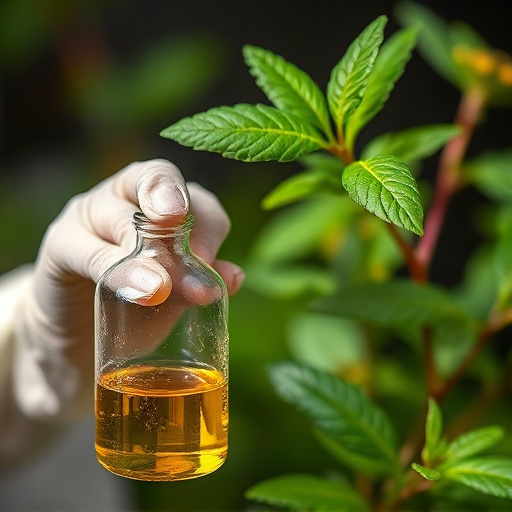
The Bachelor Of Science Medicinal Plant program offers a deep examine the fascinating world of herbal medicine, where plant extraction techniques play a pivotal role in developing therapeutic agents. This specialized field combines the science of plant chemistry with the cultural knowledge of ethnobotany, empowering graduates to contribute to the modern herbal industry.
Plant extraction involves carefully separating and isolating the active compounds from plant materials. This process requires a nuanced understanding of various extraction methods, each suited to different plant properties and desired outcomes. Solvent extraction is effective for oil-soluble compounds, while steam distillation is ideal for capturing volatile essential oils. Bachelor Of Science Medicinal Plant students learn to apply these techniques in the field and laboratory, ensuring they can replicate them in real-world settings. The program's hands-on approach includes field work, where students explore diverse ecosystems to identify and collect plant specimens, and research projects that encourage innovation in extracting and characterizing bioactive compounds.
The question, "Is Bachelor Of Science Medicinal Plant worth it?" is best answered by considering the growing demand for natural health solutions. Graduates armed with this specialized knowledge are well-positioned to contribute to the pharmaceutical, nutraceutical, and cosmetic industries. Whether pursuing careers as pharmacists, herbalists, or research scientists, the skills acquired during this program are highly transferable. Understanding plant extraction allows herbalists to create custom formulations, while research scientists can develop evidence-based herbal remedies, ensuring safety and efficacy. The Bachelor Of Science Medicinal Plant curriculum, with its blend of core courses and electives, equips students with a versatile skill set, making it a valuable investment in one's future.
Career Paths: Opportunities with a Medicinal Plant Science Degree
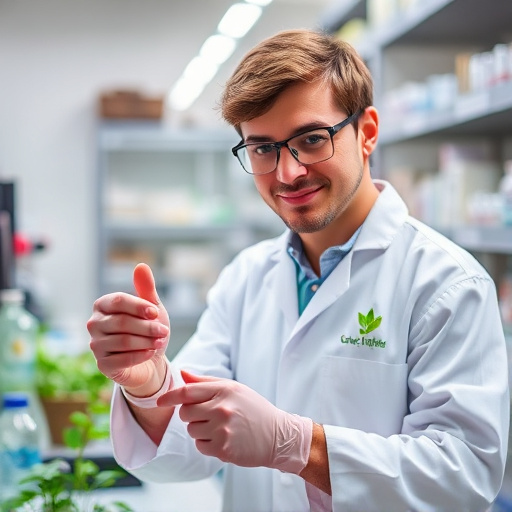
A Bachelor Of Science Medicinal Plant degree opens a range of fulfilling career paths, allowing you to leverage your knowledge of herbal medicine, plant chemistry, and ethnobotany. Graduates often find themselves in high demand in various sectors, from pharmaceuticals and research institutions to healthcare and wellness centers.
The process of qualifying for these roles involves a solid academic foundation. Students must complete a rigorous curriculum that includes core courses in botany, pharmacology, and chemistry, along with elective options in specialized areas like clinical herbology or advanced ethnobotany. Practical experience is also paramount; field work and research projects provide hands-on exposure to the scientific method applied to medicinal plants. This blend of theoretical learning and practical application equips graduates with the skills to contribute meaningfully to their chosen field.
When selecting a program, consider the institution's reputation and its alignment with your career aspirations. Look for universities that offer diverse electives, robust research opportunities, and industry partnerships. Some programs might include internships or collaborations with local herbalists or pharmaceutical companies. These connections can provide valuable insights into the industry and potentially open doors to future employment. Choosing a program that offers flexibility in course selection can tailor your education to specific career goals, whether you aspire to become a pharmacist, herbalist, research scientist, or healthcare provider.
A Bachelor Of Science Medicinal Plant degree serves as a powerful tool for those interested in the intersection of science and nature. By combining knowledge with experience, graduates are well-positioned to contribute to the global understanding and development of medicinal plants, whether in research, healthcare, or related industries.
Frequently Asked Questions About Bachelor Of Science Medicinal Plant
What is a Bachelor Of Science Medicinal Plant? A Bachelor's degree focused on medicinal plants educates students in the cultivation, identification, and extraction of bioactive compounds from plants used in traditional and modern medicine. It combines botany, pharmacology, chemistry, and sustainable agricultural practices.
What are the key skills developed through this program? Students gain hands-on experience in field research, laboratory analysis, plant extraction techniques, and data interpretation. They learn to identify and classify plant species, understand pharmacognosy (the study of drug-producing plants), and apply modern technologies in medicinal plant research.
Are there any career paths specifically open to graduates? Graduates can pursue roles as medicinal plant specialists, research assistants in pharmaceutical companies, quality control officers in herbal product manufacturing, or as educators in botanical gardens and universities. They may also work in regulatory bodies ensuring the safety and efficacy of herbal remedies.
What are some of the common courses included in the curriculum? Courses cover botany, phytochemistry, pharmacology, herbal preparation, analytical techniques, plant cultivation, and ethnobotany. Students also learn about traditional healing systems from around the world and their modern applications.
How does this degree contribute to sustainable development? The program emphasizes sustainable practices, including organic farming methods and ethical harvesting techniques. Graduates can contribute to the development of sustainable medicinal plant industries, preserving biodiversity and promoting environmentally friendly practices.
Can students gain practical experience during their studies? Many programs include internships or field work components, allowing students to collaborate with local farmers, botanic gardens, or research institutions. This hands-on experience provides valuable insights into the medicinal plant industry and helps students build a professional network.
Completing this exploration of the Bachelor Of Science Medicinal Plant, it's clear that this program offers a holistic approach to understanding and leveraging the power of plants for medicinal purposes. The curriculum, encompassing core courses, electives, field work, and research projects, equips students with a diverse skill set in areas such as herbal medicine, plant chemistry, and ethnobotany. By engaging in hands-on learning, from plant extraction techniques to practical research projects, students gain valuable experience that prepares them for a variety of career paths.
Graduates of this degree are well-positioned to pursue roles as pharmacists, herbalists, research scientists, or healthcare providers, all of which contribute to the advancement and accessibility of medicinal plant-based solutions. The versatility of the Bachelor Of Science Medicinal Plant degree allows individuals to make meaningful contributions to this growing field, bridging the gap between traditional wisdom and modern science.
To move forward, students and professionals alike can consider joining relevant communities, attending workshops, and staying abreast of industry developments. Practical application is key; whether experimenting with new extraction methods, contributing to ongoing research, or advocating for evidence-based herbal practices, the knowledge gained from this degree offers a solid foundation for making a tangible impact in the science and practice of medicinal plants.