
At a glanceA Bachelor of Science in Medicinal Plants is an advanced degree focused on the study of plants used for medicinal purposes. It involves learning the science behind plant chemistry, traditional and modern medicinal practices, and the cultivation and processing of medicinal plants. Students gain hands-on experience identifying, harvesting, and preparing plants for medical use, with a goal of contributing to the development of new treatments and ensuring the sustainable use of natural remedies.
Key Takeaways
- A Bachelor of Science in Medicinal Plants equips students with the knowledge to cultivate, extract, and research therapeutic botanicals, contributing to a growing natural medicine industry.
- This program offers a deep examine plant biology, chemistry, and pharmacology, bridging the gap between science and traditional herbal practices.
- Students learn to identify, source, and process a wide range of medicinal plants, gaining hands-on experience in sustainable cultivation methods.
- The degree fosters critical thinking and research skills, enabling graduates to contribute to the scientific validation and development of natural remedies.
- With a focus on safety and efficacy, it prepares students to work in the burgeoning field of alternative and complementary medicine, meeting growing consumer demand.
- Graduates can pursue careers as herbalists, researchers, or in the pharmaceutical industry, contributing to a more holistic approach to healthcare.
The growing demand for natural remedies and the recognition of herbal medicine’s potential have highlighted the critical need for skilled practitioners in the science of medicinal plants. This Bachelor Of Science program offers a unique opportunity to examine deep into the world of plant chemistry and ethnobotany.
The current landscape is characterized by a gap in education that combines both the scientific understanding of plants and their traditional uses. This program aims to fill that void by providing a comprehensive curriculum that blends core courses in botany and chemistry with hands-on field work and research projects.
Bachelor Of Science In Medicinal Plant Sciences Online: Where to Start
Looking for bachelor of science in medicinal plant sciences online? Beal University can answer your questions directly.
Upon completion, graduates are equipped to pursue diverse careers, from pharmacist and herbalist to research scientist and healthcare provider.
- Understanding the Bachelor Of Science Medicinal Plant Curriculum
- Plant Identification & Harvesting: Hands-On Training
- Research & Application: Translating Knowledge into Practice
Understanding the Bachelor Of Science Medicinal Plant Curriculum
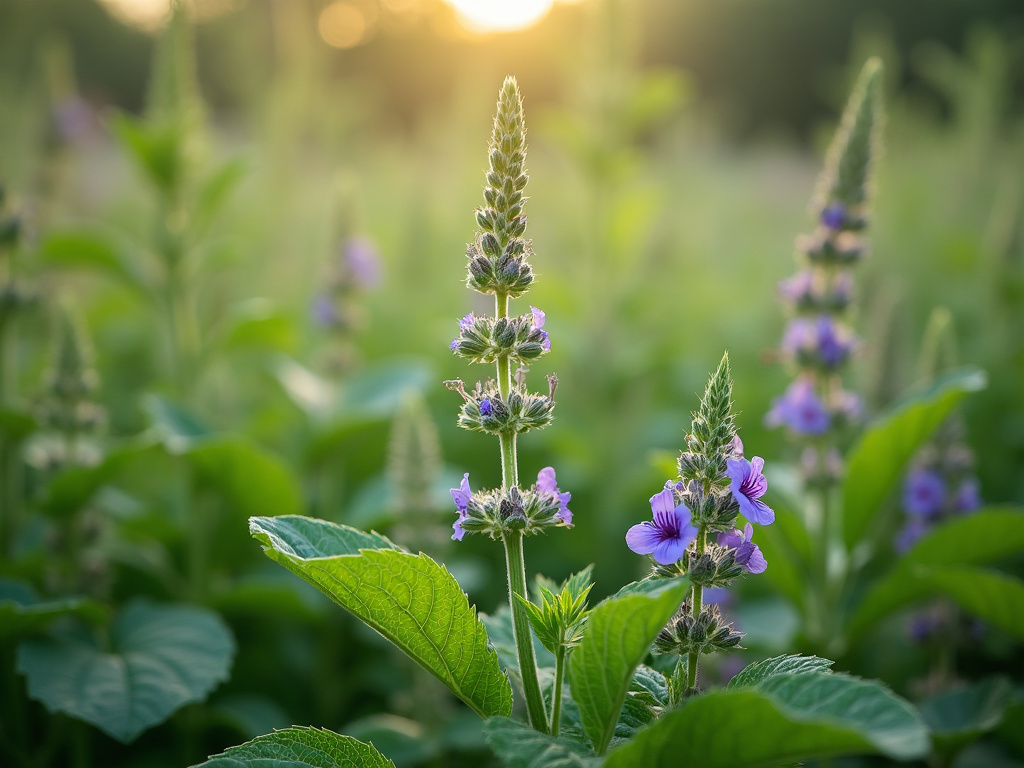
The Bachelor Of Science Medicinal Plant curriculum is meticulously designed to provide students with a comprehensive understanding of the complex world of herbal medicine and plant chemistry. This program, often offered at institutions like University X, combines rigorous academic study with hands-on field work, ensuring students gain both theoretical knowledge and practical experience. Core courses focus on botany, pharmacology, and ethnobotany, examining the scientific basis of plant medicine and its cultural applications. Elective options can range from advanced plant chemistry to the history and ethics of herbal practices, allowing students to tailor their education to specific interests.
One of the standout aspects of this degree is the emphasis on research. Students are encouraged to participate in ongoing projects or undertake their own, developing critical thinking and analytical skills. Field work is another integral part of the curriculum, offering students the chance to observe plants in their natural habitats and learn about their cultivation and preservation. This experiential learning ensures graduates are well-prepared to handle the practical challenges of the industry.
When considering whether the Bachelor Of Science Medicinal Plant is worth pursuing, it’s crucial to align your goals with the program’s offerings. If you’re passionate about natural medicine, eager to conduct research, or intend to work in healthcare or related fields, this degree can open doors. However, the success of the choice depends on your commitment to the demanding curriculum. To ensure the best fit, students should carefully research potential institutions and programs, considering faculty expertise, alumni success, and the availability of resources and networking opportunities. Looking at the research facilities and the types of research projects ongoing can give a clear picture of the program’s strengths.
Plant Identification & Harvesting: Hands-On Training
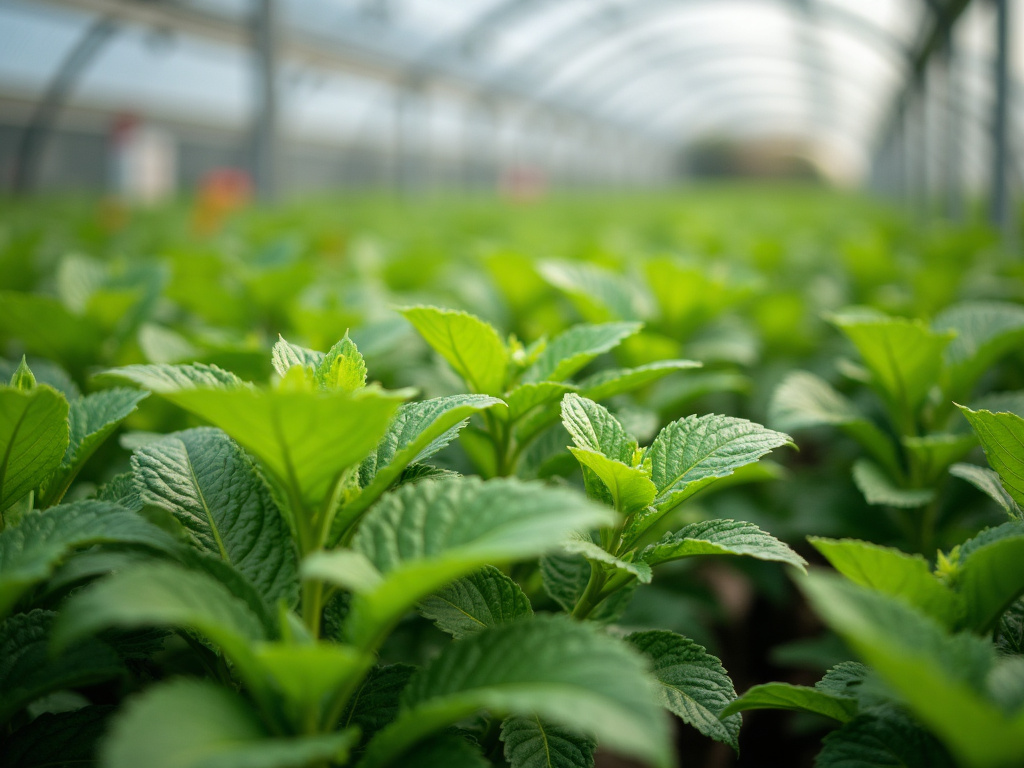
In a Bachelor Of Science Medicinal Plant program, students gain hands-on experience in the critical areas of plant identification and harvesting, a core component of their education. This practical training takes them beyond textbooks and into the field, where they learn to recognize various plant species, understand their unique properties, and safely collect them for pharmaceutical use. The process involves a meticulous approach, ensuring both the sustainability and quality of the plants. Students are taught to identify plants by their leaves, flowers, fruits, and other distinctive characteristics. They learn to harvest them at the optimal time of year, taking into account factors like growth stage and environmental conditions.
The Bachelor Of Science Medicinal Plant curriculum includes core courses in botany, plant chemistry, and ethnobotany, which provide a solid theoretical foundation. Elective courses in pharmacognosy and advanced field work offer specialized knowledge and hands-on experience. These courses prepare students for the practical challenges of identifying and harvesting medicinal plants in diverse environments. Students might learn to navigate challenging terrain to access rare herbs or study the local flora with indigenous communities, gaining a deeper understanding of plant uses and cultural significance.
Is the Bachelor Of Science Medicinal Plant worth the investment? Many graduates find that the intensive training and unique expertise they gain make them highly sought-after professionals. Careers in pharmacist, herbalist, and research scientist positions are feasible, as the program equips them with the skills to contribute to the development of new medicines and traditional remedies. The process involves a blend of theoretical knowledge and practical skills, ensuring graduates are well-prepared to meet the demands of the industry and contribute to the advancement of herbal medicine.
| Factor | What to know |
|---|---|
| Core courses | Botany, pharmacology, ethnobotany, and plant chemistry |
| Plant identification & harvesting | Hands-on training to recognize species and collect sustainably |
| Research emphasis | Participation in projects to build critical thinking and analysis skills |
| Field work | Observing plants in natural habitats, learning cultivation and preservation |
| Elective options | Advanced plant chemistry, pharmacognosy, history/ethics of herbal practices |
| Career outcomes | Pharmacist, herbalist, research scientist, healthcare provider roles |
Research & Application: Translating Knowledge into Practice

The Bachelor of Science in Medicinal Plant is more than just a degree; it’s a transformative journey into the heart of natural healing. Translating academic knowledge into practical applications is a cornerstone of this program. Students don’t just study plants; they learn to harness their power, bridging the gap between theory and real-world healthcare. This involves immersing oneself in diverse fields like herbal medicine, plant chemistry, and ethnobotany, gaining hands-on experience through field work and research projects.
Choosing the right provider is crucial. When considering a Bachelor of Science Medicinal Plant program, look for institutions renowned for their faculty expertise in the field, strong industry connections, and robust research opportunities. University X, for instance, stands out for its commitment to interdisciplinary learning, allowing students to collaborate with professionals from various healthcare sectors. This ensures graduates are well-prepared to meet the demands of a dynamic industry. The program’s success lies not just in what’s taught, but how it’s taught, fostering a generation of medicinal plant practitioners equipped to contribute meaningfully to modern healthcare.
"Is it worth it?" you might ask. The return on investment extends beyond financial gains. This degree opens doors to diverse career paths, from practicing as a pharmacist or herbalist to conducting advanced research as a scientific scientist. It empowers individuals to contribute to the growing demand for natural, holistic healthcare solutions. By choosing a reputable program and provider, students can be confident they’re not just learning about medicinal plants; they’re learning to be at the forefront of a movement that combines ancient wisdom with modern science.
Frequently Asked Questions About Bachelor Of Science Medicinal Plant
What is a Bachelor Of Science Medicinal Plant?
A Bachelor’s degree in Medicinal Plants signifies an intensive study of the science behind plants used for medicinal purposes. It explores the chemical composition, pharmacology, cultivation, and traditional uses of medicinal plants, providing a solid foundation for careers in herbal medicine, research, or the pharmaceutical industry.
What are the key courses in this program?
Courses range from botany and chemistry to pharmacology and herbal preparation methods. Students learn about various medicinal plants, their active constituents, and how to safely extract and formulate them. They might also study traditional medicine systems from around the world, ethnobotany, and clinical trials related to herbal remedies.
Are there any hands-on components to the program?
Absolutely. Many programs include laboratory work, field trips to botanical gardens or farms, and internships at herbal clinics or pharmaceutical companies. These experiences offer practical knowledge and insights into the application of medicinal plant science.
What career paths are available after completing this degree?
Graduates can pursue careers as herbalists, working in clinics or retail settings. They can also enter research, quality control, or quality assurance roles in the pharmaceutical industry. The degree provides a strong basis for further study in pharmacy, medicine, or advanced degrees in plant science or herbal medicine.
How does this degree differ from a traditional pharmacy degree?
While both degrees focus on medicine from plants, a Bachelor of Science in Medicinal Plants offers a more specialized approach. It examines deeper into the science and history of herbal medicine, while pharmacy degrees tend to cover a broader range of modern pharmaceutical science, including synthetic drugs.
Are there any certification or licensing requirements for practicing herbal medicine?
Requirements vary by country and region. Many places require registration or licensing to practice herbal medicine, which often involves passing exams or completing additional training after earning a bachelor’s degree. It’s crucial to check local regulations to ensure compliance.
What are some notable career achievements of graduates in this field?
Graduates have gone on to establish successful herbal clinics, research innovative medicinal compounds, and contribute to the development of new pharmaceutical products derived from plants. They’ve also played vital roles in preserving traditional knowledge about medicinal plants and promoting sustainable practices in the industry.
The Bachelor Of Science Medicinal Plant program offers a holistic approach to understanding and harnessing the power of plants for healthcare. Through a well-structured curriculum, students engage in both theoretical and practical aspects of herbal medicine, plant chemistry, and ethnobotany. Hands-on training in plant identification and harvesting ensures students are prepared for real-world challenges, while research projects encourage them to translate their knowledge into practical applications. This comprehensive education equips graduates to pursue diverse careers as pharmacists, herbalists, research scientists, and healthcare providers, all while contributing to the advancement of natural medicine.
Key takeaways include:
– A diverse curriculum that balances core courses with electives allows students to specialize in areas that align with their interests and career goals.
– Field work and practical training are integral to mastering plant identification and sustainable harvesting techniques.
– Research projects not only deepen understanding but also cultivate skills in evidence-based application, crucial for modern healthcare practices.
Next steps for interested students include:
– Thoroughly reviewing the program’s course structure and research opportunities to align with personal and professional objectives.
– Networking with alumni and industry professionals to gain insights into the diverse career paths available with a Bachelor Of Science Medicinal Plant degree.
– Exploring internships or fieldwork opportunities to gain practical experience and build a professional network.
Beal University
99 Farm Rd, Bangor, ME 04401
(207) 307-3900
Website: beal.edu
View Beal University on Google Maps
For related local guidance, see our bachelor of science medicinal plant resources.