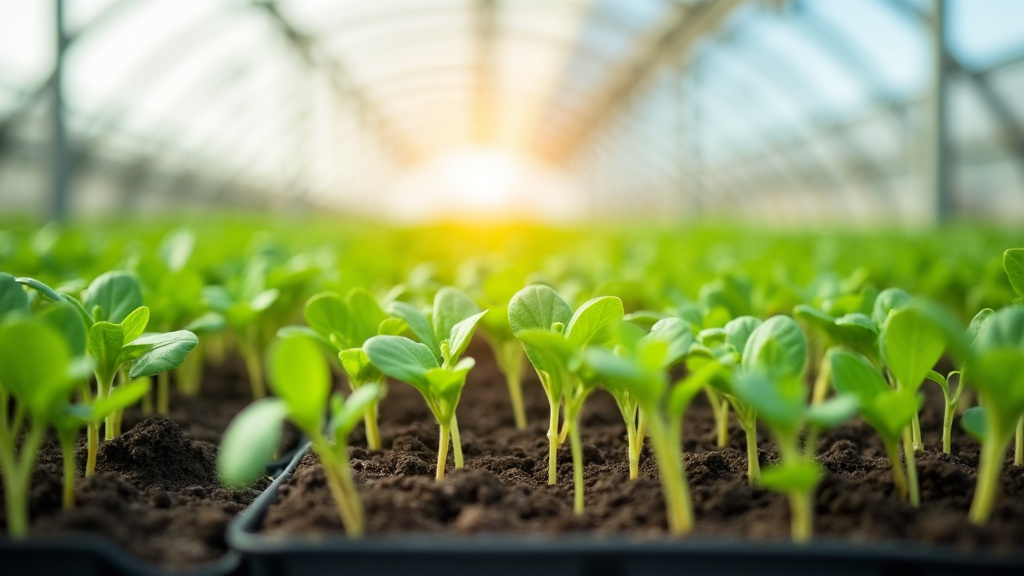
Key Takeaways
- A Bachelor of Science in Medicinal Plants equips students with the knowledge to cultivate, harvest, and process medicinal plants safely and effectively.
- Understanding the chemical composition and medicinal properties of plants is crucial for developing evidence-based remedies.
- Graduates can pursue careers in herbal medicine, pharmaceutical research, or the growing wellness industry.
- The course often includes field work, allowing students to learn about plant identification and sustainable harvesting practices in natural environments.
- Knowledge of traditional medicinal practices from diverse cultures provides a holistic understanding of plant-based healing.
- Regulatory compliance and ethical sourcing are key aspects, ensuring the quality and safety of medicinal plant products.
- With the increasing demand for natural remedies, skilled medicinal plant experts are in high demand across various sectors.
At a glanceA Bachelor of Science in Medicinal Plants is a specialized degree focused on the study of plants used for medicinal purposes. It involves learning about the scientific basis of plant chemistry, traditional medicine, and modern pharmaceutical practices. Students gain hands-on experience in cultivating, identifying, and extracting compounds from medicinal plants, preparing them for various applications, including pharmaceuticals and natural remedies.
In the modern pursuit of holistic healthcare, the Bachelor Of Science Medicinal Plant stands as a beacon of knowledge and opportunity. Plant-based remedies have gained significant traction, yet understanding their science and safety remains crucial. The problem lies in the lack of structured education that bridges the gap between traditional herbal practices and modern medicine. The Bachelor Of Science Medicinal Plant offers a comprehensive solution, providing students with a deep examine the fields of herbal medicine, plant chemistry, and ethnobotany. This program equips graduates to contribute to the growing field, whether as pharmacists, herbalists, or research scientists, ensuring that the ancient wisdom of medicinal plants is both respected and safely integrated into modern healthcare systems.
Bachelor Of Science In Medicinal Plant Sciences Online: Where to Start
Looking for bachelor of science in medicinal plant sciences online? Beal University can answer your questions directly.
- Understanding the Bachelor's Degree in Medicinal Plants
- Coursework and Practical Application: A Hands-On Approach
- Career Paths and the Impact of This Specialized Education
Understanding the Bachelor's Degree in Medicinal Plants
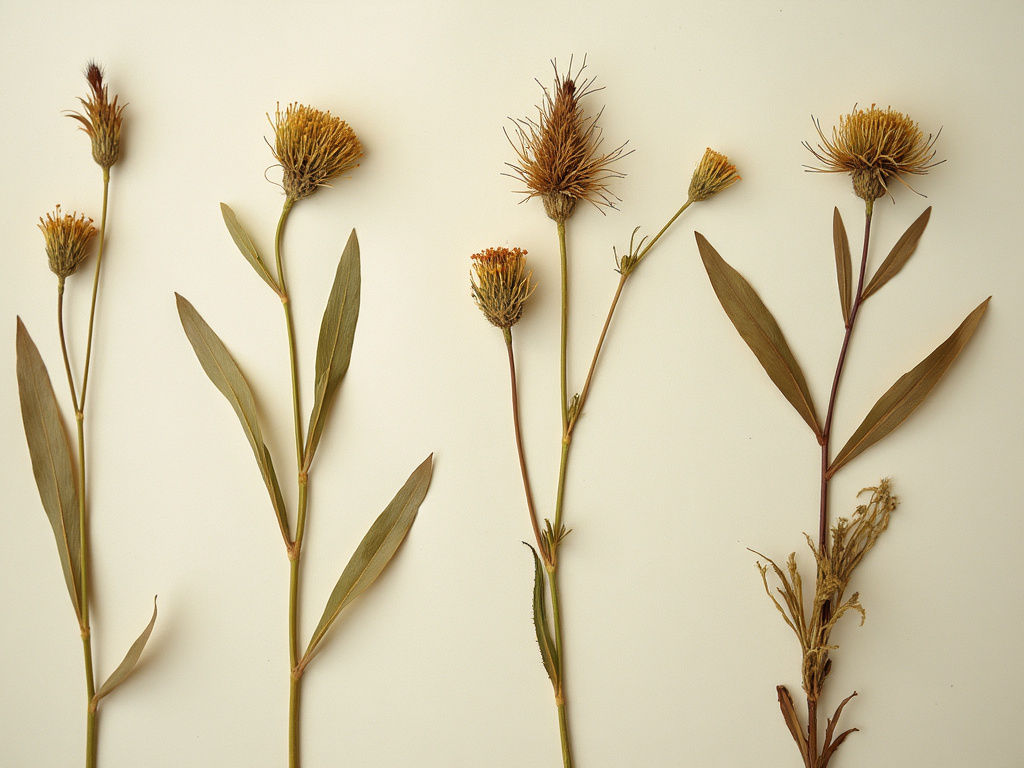
Understanding the Bachelor’s Degree in Medicinal Plants
The Bachelor Of Science Medicinal Plant is a specialized program designed to equip students with the knowledge and skills to explore the complex world of herbal medicine and plant chemistry. At the core of this degree, you’ll find a blend of rigorous scientific study and hands-on field work, preparing graduates for a range of careers in the healthcare industry. This involves examining topics such as ethnobotany, plant identification, and the isolation and analysis of bioactive compounds.
When choosing a Bachelor Of Science Medicinal Plant provider, consider institutions known for their expertise in herbal medicine and access to quality resources. Look for programs that offer a mix of core courses in botany, chemistry, and pharmacology, as well as elective options to tailor your education to your career aspirations. Field work is a crucial component, providing real-world experience in collecting, documenting, and studying plants in their natural habitats. Research projects allow students to contribute to the field by investigating specific medicinal plants or compounds.
The curriculum for this degree encompasses a comprehensive spectrum, from basic science principles to advanced applications. Students learn about the history and cultural significance of medicinal plants, safety protocols for handling them, and the latest analytical techniques. Graduates emerge with a solid understanding of the scientific basis for herbal medicine, ready to pursue careers as pharmacists, herbalists, research scientists, or in various healthcare provider roles. Many alumni find success in the growing alternative and complementary medicine sector, leveraging their unique expertise to offer natural health solutions.
Coursework and Practical Application: A Hands-On Approach
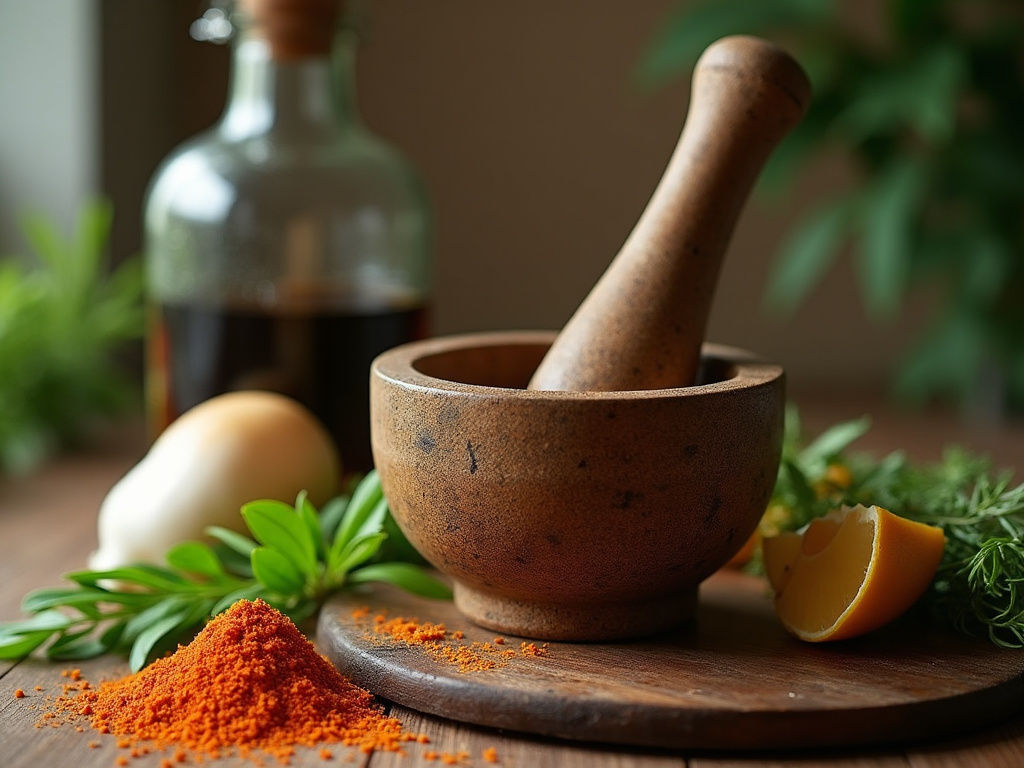
The Bachelor Of Science in Medicinal Plant program offers a hands-on approach that combines rigorous academic study with practical application. Students at institutions like University X examine core courses in herbal medicine, plant chemistry, and ethnobotany, gaining a profound understanding of the scientific underpinnings and cultural significance of medicinal plants. This holistic education is further enhanced through field work, where students explore diverse ecosystems, identify local flora, and learn traditional practices from expert practitioners.
Practical application is at the heart of this degree. Elective courses often include topics like plant cultivation, extraction techniques, and pharmaceutical formulation. Students might participate in research projects, collaborating with faculty to develop new applications for medicinal plants. These experiences not only deepen their knowledge but also equip them with valuable skills sought after by industry professionals. Graduates can pursue careers as pharmacists, herbalists, research scientists, or healthcare providers, leveraging their unique expertise in natural medicine.
Choosing the right provider is crucial. When selecting a Bachelor Of Science Medicinal Plant program, prospective students should consider factors like faculty expertise, curriculum relevance, and opportunities for hands-on learning. It’s also important to assess the program’s alignment with their career goals. Students interested in clinical applications might prefer programs with strong connections to healthcare institutions. Understanding admission requirements is equally vital. Most programs require a high school diploma or equivalent, satisfactory grades, and sometimes additional documentation like letters of recommendation or personal statements.
The question of whether a Bachelor Of Science Medicinal Plant is worth it depends on individual aspirations and career paths. For those passionate about natural medicine and eager to contribute to its modern application, the degree offers a competitive edge. It opens doors to diverse career opportunities and positions graduates to make meaningful impacts in the field. The decision should be informed by a thorough exploration of personal interests, market demand, and the specific offerings of various programs, ensuring a solid foundation for a rewarding career.
| Factor | What to know |
|---|---|
| Core coursework | Botany, chemistry, pharmacology, herbal medicine, and ethnobotany |
| Field work | Hands-on plant identification and sustainable harvesting in natural habitats |
| Practical skills | Cultivation, extraction techniques, and pharmaceutical formulation training |
| Career paths | Pharmacists, herbalists, research scientists, or healthcare providers |
| Admission requirements | High school diploma, good grades, recommendations or personal statements |
| Program selection factors | Faculty expertise, curriculum relevance, and hands-on learning opportunities |
Career Paths and the Impact of This Specialized Education
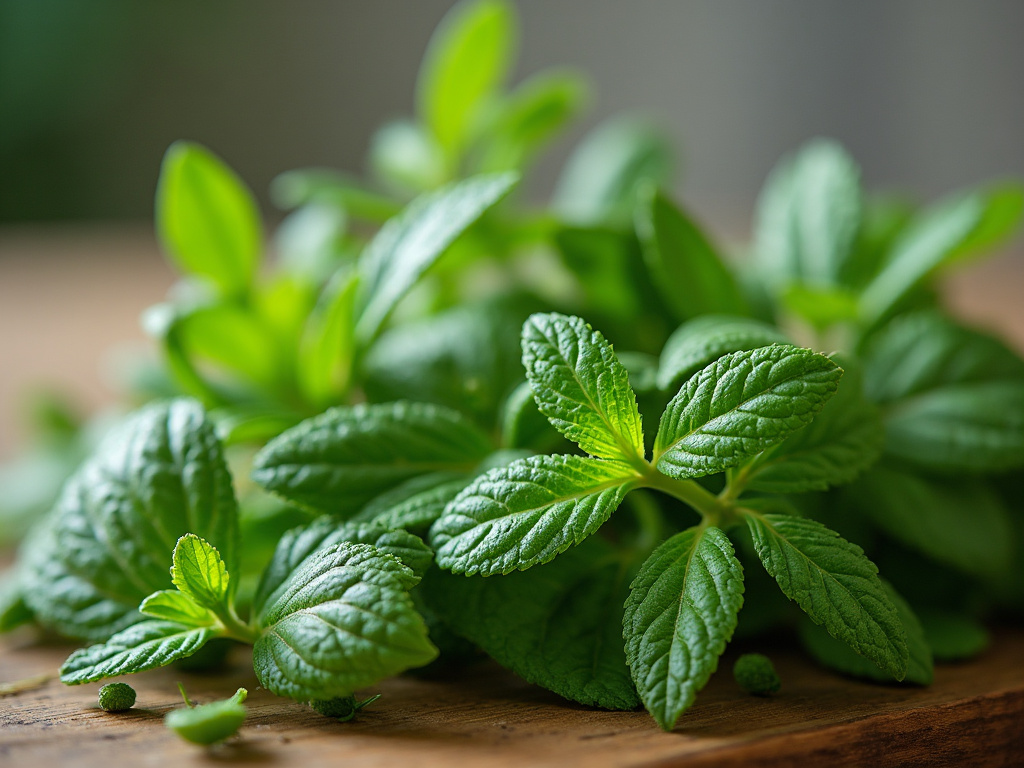
The Bachelor Of Science Medicinal Plant opens doors to a variety of rewarding career paths, leveraging the intersection of botany, chemistry, and healthcare. This specialized education equips graduates with a unique skill set, combining scientific knowledge with a deep understanding of the medicinal properties of plants. The program, offered at institutions like University X, encompasses a rigorous curriculum that includes core courses in herbal medicine and ethnobotany, alongside electives and hands-on field work. Students examine the intricate chemistry of plants, learning to identify and extract active compounds for pharmaceutical use.
Upon completion, individuals possess a comprehensive knowledge base to qualify for roles such as pharmacist, herbalist, or research scientist. The process involves not only academic achievement but also practical experience, with research projects allowing students to contribute to the field’s growing body of scientific knowledge. A student interested in the pharmaceutical applications of plants might work on a research project examining the efficacy of traditional remedies, developing new treatments, or studying plant compounds for potential drug discovery. This hands-on approach ensures graduates are well-prepared to meet the demands of an industry that values both empirical evidence and traditional wisdom.
Career opportunities are vast and diverse. Pharmacists specializing in herbal medicine can work in pharmacies, hospitals, or research facilities, ensuring the safe and effective use of plant-based treatments. Herbalists, another key role, provide guidance on the use of medicinal plants for holistic health and wellness, often working in private practice or wellness centers. The Bachelor Of Science Medicinal Plant education acts as a catalyst for these professionals, enabling them to contribute significantly to modern healthcare systems while preserving traditional botanical practices.
Frequently Asked Questions About Bachelor Of Science Medicinal Plant
What is a Bachelor of Science in Medicinal Plant?
This degree program focuses on the scientific study of plants used for medicinal purposes. It combines botany, pharmacology, chemistry, and related fields to educate students about the cultivation, identification, and application of medicinal herbs. The curriculum prepares graduates for careers in herbal medicine, research, or the pharmaceutical industry.
What are the core subjects in this program?
Core subjects typically include plant taxonomy, phytochemistry, pharmacognosy (the study of medicinal plants), herbal processing, and clinical applications. Students also learn about plant cultivation, harvesting, and quality control, ensuring the sustainable and ethical sourcing of medicinal plants.
How can this degree help with career opportunities?
Graduates can pursue various roles, such as herbalists, pharmaceutical researchers, quality control specialists in the herbal supplement industry, or even as educators in botanical gardens and universities. The knowledge of medicinal plants is valuable in the growing alternative medicine sector, offering diverse career paths.
Are there any hands-on components to the program?
Absolutely. Many programs include fieldwork, allowing students to collect and identify plants in natural environments. Laboratory work is also essential, where students learn to analyze plant extracts and develop formulations. These practical experiences are crucial for developing the skills needed to work with medicinal plants.
Can I study medicinal plants without a Bachelor’s degree?
While a Bachelor’s degree provides a solid foundation, diplomas or certificates in herbal studies or specific medicinal plant courses are available. These options are shorter and more focused, catering to those wanting to gain specialized knowledge without committing to a full degree program.
What are the job prospects for graduates?
The demand for natural and alternative medicine is rising, leading to increased job opportunities. Herbalists, for instance, can work in health food stores, spas, or as private practitioners. Research positions in pharmaceutical companies or universities are also common career paths for graduates with advanced degrees.
Are there any specific skills developed through this program?
Students gain expertise in plant identification, cultivation techniques, and chemical analysis. They learn to communicate complex scientific information to diverse audiences and develop critical thinking and problem-solving skills. They acquire a deep understanding of the historical and cultural significance of medicinal plants worldwide.
Completing this in-depth exploration of the Bachelor of Science in Medicinal Plants, several key takeaways emerge. This program, offered by institutions like University X, offers a comprehensive, hands-on approach to understanding the chemistry and cultural significance of plants used in traditional herbal medicine. Through a mix of core courses, elective options, and immersive field work, students gain a robust foundation in ethnobotany and plant chemistry, preparing them for diverse careers.
Graduates of these specialized programs are equipped to pursue roles as pharmacists, herbalists, research scientists, and healthcare providers, leveraging their knowledge to contribute to the growing field of natural medicine. The Bachelor of Science in Medicinal Plants empowers individuals to bridge the gap between traditional wisdom and modern science, highlighting the value of plant-based remedies.
Next steps for interested individuals include researching specific program curricula, ensuring alignment with career aspirations, and gaining practical experience through internships or volunteer work in ethnobotany or herbal medicine settings. This specialized education opens doors to a rewarding and impactful career at the intersection of science and nature.
Beal University
99 Farm Rd, Bangor, ME 04401
(207) 307-3900
Website: beal.edu
View Beal University on Google Maps
For related local guidance, see our bachelor of science medicinal plant resources.